 EN
EN
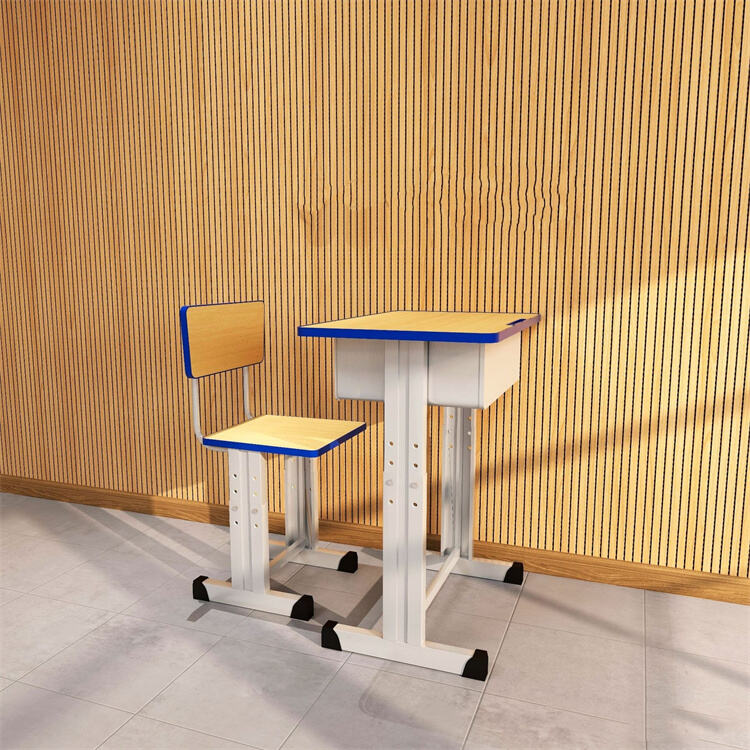
Az oktatási intézmények jelentős kihívásokkal néznek szembe, amikor olyan bútorokat választanak, amelyek egyensúlyt teremtenek az időtállóság, a funkcionális használhatóság és a költséghatékonyság között. A megfelelő iskolai íróasztal–szék kombináció drámaian befolyásolhatja a tanulók tanulási eredményeit, miközben évekig megbízható szolgáltatást nyújt. A modern oktatási környezetek olyan bútormegoldásokat igényelnek, amelyek rugalmasan alkalmazkodnak a különféle oktatási módszerekhez, különböző méretű tanulók igényeit is kielégítik, és ellenállnak a mindennapi osztálytermi használat szigorú igényeinek. Azoknak a kulcsfontosságú tényezőknek a megértése, amelyek minőségi iskolai íróasztal–szék készleteket különböztetnek meg a kevésbé megfelelő alternatíváktól, lehetővé teszi az igazgatók számára, hogy jól informált vásárlási döntéseket hozzanak, amelyek mind a tanulók, mind a költségvetés érdekét szolgálják.
Anyagkivitelezés és tartóssági szabványok
Acéltérfogány mérnöki
A prémium minőségű iskolai íróasztal- és székkészletek nagyminőségű acélból készülnek, amely biztosítja a szerkezeti integritást az intenzív használat évei során. A keret vastagsága általában 1,2–1,5 mm között mozog, így optimális szilárdságot nyújt a túlzott súly nélkül. A porcelánfestés alkalmazása védőréteget képez a karcolások, repedések és korrózió ellen, miközben megőrzi az esztétikai vonzerejüket. A minőségi gyártók olyan hegesztési technikákat alkalmaznak, amelyek kiküszöbölik a gyenge illesztéseket, így minden iskolai íróasztal- és székkészlet képes dinamikus terhelést elviselni, és ellenáll a billegésnek vagy szerkezeti meghibásodásnak.
A fejlett acélkezelési folyamatok közé tartozik a cinkbevonat (galvanizálás) és a többrétegű bevonati rendszerek alkalmazása, amelyek jelentősen meghosszabbítják a termék élettartamát. Ezek a kezelések megakadályozzák a rozsdaképződést páratartalmas környezetben, és ellenállnak az oktatási intézményekben gyakran használt tisztítószerek okozta károknak. A felsőbb minőségű acélkonstrukcióba történő beruházás közvetlenül csökkenti a cserék költségét, és növeli a diákok és az alkalmazottak biztonságát.
Asztallap anyagok
Az asztallapok kritikus összetevőket képviselnek, amelyek közvetlenül befolyásolják a felhasználói élményt és a karbantartási igényeket. A nagynyomású laminált felületek kiváló ellenállást nyújtanak a foltokkal, karcolásokkal és hőkárosodással szemben, miközben sima írófelületet biztosítanak különféle tevékenységekhez. A melaminréteggel borított forgácslap-alternatívák költséghatékony megoldást kínálnak anélkül, hogy kompromisszumot kötnének az alapvető funkciókkal, ezért népszerű választások költségérzékeny intézmények számára.
A modern iskolai asztalok és székek tervezése gyakran antimikrobiális felületkezeléseket tartalmaz, amelyek gátolják a baktériumok növekedését, és hozzájárulnak a higiéniai szabványok javításához. Ezek a speciális bevonatok egyre fontosabbá válnak a pandémia utáni oktatási környezetekben, ahol a tisztasági protokollok megerősített felületvédelmet igényelnek. A PVC vagy ABS anyagokból készült peremképzés alkalmazásai védik a sebezhető területeket az ütés okozta károsodással és a nedvesség behatolásával szemben.
Ergonómikus Tervezési Elvek
Funkciókhoz
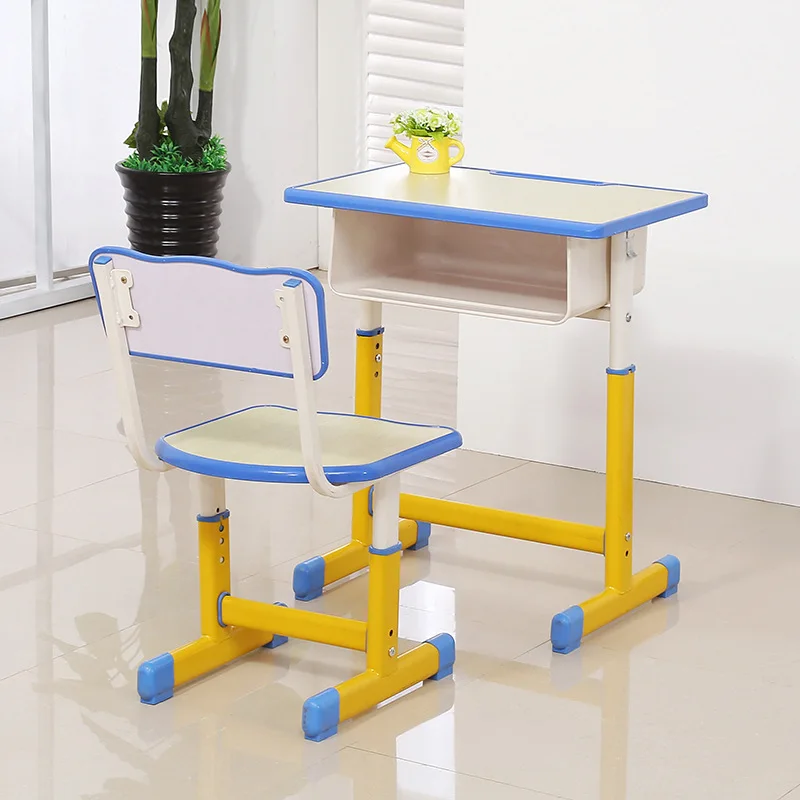
A modern oktatáskutatás kiemeli a megfelelő testtartás fontosságát a tanulók koncentrációjának támogatásában és a mozgásszervi problémák megelőzésében. Az állítható iskolai íróasztal- és szék-készletek különböző tanulói csoportok igényeit elégítik ki, mivel magasságbeállítási lehetőséget kínálnak, amely biztosítja a munkafelület és a ülési pozíció közötti megfelelő egyezést. A pneumás beállító mechanizmusok sima, eszköz nélküli módosítást tesznek lehetővé, amelyet a tanárok és a tanulók önállóan is kezelhetnek.
A minőségi beállító rendszerek hosszabb ideig megtartják beállításaikat kiterjedt használat mellett is, anélkül, hogy fokozatosan csökkenne a magasságuk vagy mechanikai hibák lépnének fel. A beállíthatóság tartománya általában 4–6 hüvelyk (kb. 10–15 cm) az íróasztaloknál és székeknél, így biztosítva a kompatibilitást az általános iskolától a középiskoláig terjedő tanulói korcsoportokkal. Egyes fejlettebb modellek emlékezetfunkciót is tartalmaznak, amely gyors újraállítást tesz lehetővé közös osztályterekben vagy többcélú terekben.
Kényelem és támaszelemek
A hatékony iskolai íróasztalok és székek tervezése a felhasználói kényelmet teszi prioritássá a gondosan kialakított ülőfelület-formák és támlaszögek révén. A formázott műanyag ülőfelületek gyakran finom görbéket tartalmaznak, amelyek támogatják a természetes testtartást, miközben elősegítik a levegő áramlását. A párnázott változatok hosszabb ülési időszakokra nyújtanak fokozott kényelmet, de további karbantartási szempontokat és csereterveket igényelnek.
A megfelelő ágyék-támasz különösen fontos a nagyobb diákok számára, akik napjuk jelentős részét ülve töltik. Iskolai asztal és széf az állítható támlaszöget és beépített ágyéktámasz-görbét egyaránt tartalmazó kombinációk segítenek egész iskolai nap során fenntartani az egészséges gerincállást. A karfák integrálása további támogatást nyújt az írási tevékenységekhez, miközben biztosítja az íróasztalhoz való elegendő hozzáférési teret.
Biztonsági és megfelelőségi tényezők
Állékonyság és szerkezeti integritás
A tanulási célú bútoroknak meg kell felelniük a tanulók sérülésveszélyétől való védelmet szolgáló szigorú biztonsági szabványoknak, amelyek a szerkezeti meghibásodásból vagy instabilitásból eredő kockázatokat célozzák. A minőségi iskolai íróasztalok és székek szigorú vizsgálati protokollokon mennek keresztül, amelyek éveknyi átlagos használati mintát szimulálnak, beleértve az oldalirányú terhelést, a függőleges terhelést és a többszörös állítási ciklusokat. Az átbillenést megakadályozó mechanizmusok és a széles alaptervezés megakadályozza a véletlen átbillenést, amely sérülést okozhat a tanulóknak.
A súlyeloszlás kiszámítása biztosítja, hogy teljesen terhelt íróasztalok is stabilak maradjanak akkor is, ha a tanulók dőlnek, vagy egyenetlen nyomást gyakorolnak a felületekre. A sarkok lekerekítése és az élek simítása eltávolítja a hegyes kiálló részeket, amelyek normál használat során vágásokat vagy zúzódásokat okozhatnak. Ezek a biztonsági funkciók különösen fontossá válnak az általános iskolai környezetben, ahol a tanulók koordinációs képessége és térbeli tudatossága továbbra is fejlődik.
Kémiai és tűzállóság
A modern iskolai íróasztalok és székek anyagának meg kell felelnie a szigorú tűzbiztonsági előírásoknak, amelyek az oktatási létesítmények berendezéseire vonatkoznak. A lángálló kezelések és alacsony kibocsátású anyagok védelmet nyújtanak az épületben tartózkodók számára, miközben eleget tesznek az egészségügyi és környezeti szabványoknak. A vegyszerállósági tulajdonságok biztosítják, hogy a tisztítószerek és a véletlen kifolyások ne veszélyeztessék a szerkezeti integritást vagy toxikus expozíciós kockázatot okozzanak.
A bútoranyagokból származó illékony szerves vegyületek (VOC) kibocsátása jelentősen befolyásolhatja a belső levegőminőséget a korlátozott területű osztálytermekben. A tanúsított alacsony kibocsátású iskolai íróasztalok és székek hozzájárulnak az egészségesebb tanulási környezet kialakításához, és támogatják a fenntartható építési gyakorlatokra vonatkozó LEED-tanúsítási célokat. A bútorbeszerzésekhez mellékelni kell a megfelelőséget igazoló dokumentációt annak ellenőrzésére, hogy a termékek megfelelnek-e a vonatkozó biztonsági szabványoknak és építési előírásoknak.
Karbantartási és hosszútávú tényezők
Tisztítás és fertőtlenítés
A napi karbantartási követelmények jelentősen befolyásolják az iskolai íróasztalok és székek beruházásainak teljes tulajdonosi költségét. A foltokat ellenálló és hatékonyan tisztítható felületi anyagok csökkentik a takarítószemélyzet munkaigényét, miközben fenntartják a professzionális megjelenési szabványokat. A nem porózus felületek megakadályozzák a baktériumok felhalmozódását, és támogatják az oktatási környezetekben elengedhetetlen hatékony fertőtlenítési protokollokat.
A tisztíthatóság nemcsak az alapvető szappanos vízre terjed ki, hanem erősebb fertőtlenítőszerekre és az iskolákban gyakran használt speciális tisztítóberendezésekre is kiterjed. A minőségi iskolai íróasztalok és székek felületi kezelései ellenállnak a klórtartalmú tisztítószerek, az UV-fertőtlenítő rendszerek és a nyomásos tisztítás ismételt alkalmazásának anélkül, hogy minőségük romlana vagy elszíneződnének. A karbantartási dokumentációban fel kell tüntetni a garancia érvényességének megőrzése érdekében engedélyezett tisztítási módszereket és termékeket.
Javítási és cserére vonatkozó megfontolások
A moduláris építési megközelítések lehetővé teszik az egyes alkatrészek külön-külön történő cseréjét anélkül, hogy a teljes egységet el kellene dobni, amikor egy-egy konkrét alkatrész meghibásodik. A gyakori kopásnak kitett alkatrészek közé tartoznak például a csúszópárnák, a beállító mechanizmusok és a legnagyobb érintkezési gyakoriságnak kitett felületi anyagok. A szabványosított szerelvények és könnyen beszerezhető pótalkatrészek csökkentik a hosszú távú karbantartási költségeket, miközben növelik a termék teljes élettartamát.
A gyártó által nyújtott támogatási szolgáltatások – például a karbantartó személyzet számára szervezett javítási képzés és a pótalkatrészek rendelkezésre állásának garanciája – döntő tényezőkké válnak a beszállítók kiválasztásakor. A minőségi iskolai íróasztalokat és székeket gyártó cégek folyamatosan fenntartják a leállított modellekhez szükséges pótalkatrészek készletét, és technikai támogatást nyújtanak a gyakori problémák elhárításához. A meghosszabbított garanciaopciók védelmet nyújtanak a korai meghibásodással szemben, és egyben a gyártó bizalmát is jelezhetik a termék tartósságában.
Költségvizsgálat és költségtervezés
Kezdeti beruházási szempontok
A tantermi asztalok és székek beszerzésére szánt költségvetési keret kijelölése komplex elemzést igényel, amely túlmutat a kezdeti vásárlási árakon. A minőségi bútorok jelentős tőkeberuházást jelentenek, amelyek hatással vannak a tanulók több generációjának oktatási eredményeire. Az összehasonlító árképzésnek tartalmaznia kell a szállítási, összeszerelési és felszerelési költségeket is, amelyek jelentős összeget adhatnak hozzá az alapárakhoz.
A mennyiségi kedvezmények és nagykereskedelmi vásárlási megállapodások gyakran jelentős megtakarítási lehetőséget nyújtanak nagyobb léptékű beszerzések esetén. A fázisokba szervezett beszerzési stratégiák lehetővé teszik a szervezetek számára, hogy a költségeket több költségvetési ciklusra szórják el, miközben fenntartják az osztályterem-környezetek egységességét. A finanszírozási lehetőségek és lízingmegállapodások alternatív megoldást kínálnak azok számára a szervezetek számára, amelyek rövid távon pénzügyi likviditási korlátozásokkal küzdenek.
Hosszú távú értékbecslés
A tulajdonlási teljes költség számításainak tartalmazniuk kell a bútorválasztással kapcsolatos karbantartási kiadásokat, a cserék gyakoriságát és a termelékenységre gyakorolt hatásokat. A prémium minőségű iskolai íróasztal- és szék-komplett készletek gyakran kiválóbb értékajánlatot nyújtanak, annak ellenére, hogy kezdeti költségük magasabb, hosszabb élettartamuk és alacsonyabb karbantartási igényük révén. Az energia-megtakarítás a hatékony gyártási folyamatokból és fenntartható anyagokból származik, és hozzájárul a környezeti és gazdasági előnyökhöz.
Az értékcsökkenési ütemtervek és az eszközkezelési politikák befolyásolják a költségvetési stratégiákat és a cserék időzítésének döntéseit. A minőségi dokumentáció és karbantartási naplók pontos értékcsökkenési számításokat tesznek lehetővé, miközben azonosítják azokat a tendenciákat, amelyek támpontot nyújtanak a jövőbeli beszerzési döntések meghozatalához. A biztosítási megfontolások előnyt élvezhetnek a magasabb minőségű bútorokkal szemben, mivel azok csökkentik a felelősségi kockázatot és a káresemények utáni cserék költségeit.
Kiválasztási és beszerzési irányelvek
Beszállítói értékelési szempontok
A beszállítók kiválasztása gondos értékelést igényel a gyártási képességek, a minőségellenőrzési folyamatok és az ügyfélszolgálati szabványok tekintetében. A megbízható iskolai íróasztal- és székgyártók általában ISO-tanúsítvánnyal és minőségirányítási rendszerekkel rendelkeznek, amelyek biztosítják a termékek egységes minőségi színvonalát. A gyártóüzemek helyszíni látogatásai betekintést nyújtanak a gyártási módszerekbe és a minőségellenőrzési eljárásokba, amelyek hatással vannak a termékek megbízhatóságára.
Hasonló oktatási intézményekből származó ügyfélajánlások értékes információkat nyújtanak a termékek teljesítményéről és a beszállítók reagálóképességéről. A szolgáltatási területek és a helyi támogatási lehetőségek különösen fontossá válnak azok számára az intézmények számára, amelyek helyszíni segítséget vagy gyors alkatrész-elérhetőséget igényelnek. A pénzügyi stabilitás és a cég hosszú távú fennmaradása védelmet nyújt a beszállító csődbe jutásának kockázata ellen, amely kompromittálhatná a garanciális fedezetet és az alkatrészek elérhetőségét.
Specifikáció fejlesztése
A részletes műszaki leírások biztosítják, hogy az ajánlattételi eljárások összehasonlítható ajánlatokhoz vezessenek, amelyek lehetővé teszik az objektív értékelést. A teljesítménykövetelményeknek a tervezett alkalmazásokra jellemző teherbírási képességet, beállítási tartományt és tartósságra vonatkozó elvárásokat kell meghatározniuk. Az anyagműszaki leírásoknak tartalmazniuk kell a minőségi osztályokat, a vastagsági követelményeket és a felületi minőségi szabványokat, amelyek meghatározzák az elfogadható minőségi szinteket.
A vizsgálati és tanúsítási követelmények megvédik a intézményeket a nem megfelelő minőségű termékektől, amelyek esetleg nem felelnek meg a biztonsági vagy teljesítménybeli elvárásoknak. A mintaértékelési folyamatok lehetővé teszik a tanterem-asztalok és -székek minőségének gyakorlati, kézbe vehető értékelését nagyobb mennyiség megrendelése előtt. A prototípusok telepítése reprezentatív környezetben értékes visszajelzést nyújt a felhasználói elfogadásról és a tényleges használati körülmények közötti teljesítményjellemzőkről.
GYIK
Mennyi a minőségi iskolai asztal- és szék-készletek átlagos élettartama
Jól megépített iskolai íróasztal- és székkészletek általában 15–20 évig nyújtanak megbízható szolgáltatást normál használati körülmények között. A használati időt befolyásoló tényezők közé tartozik az anyagminőség, a gyártási szabványok, a karbantartási gyakorlatok és a használat intenzitása. A prémium modelljek – amelyek acélból készülnek, és magas minőségű felületi anyagokat használnak – gyakran túllépik ezeket a várakozásokat, míg a költségkímélő alternatívák esetleg már 8–12 év után cserére szorulnak.
Hogyan befolyásolják az állítható funkciók a hosszú távú tartósságot?
A minőségi állító mechanizmusok – ha megfelelően tervezték és gyártották őket – inkább javítják, semmint rontják a tartósságot. A pneumás rendszerek és a mechanikus állítók számos beállítási cikluson keresztül biztosított megbízható működés érdekében kiterjedt tesztelésen mennek keresztül. Ugyanakkor a bonyolultabb állító funkciók rendszeres karbantartást igényelnek, és további hibapontokat is bevezethetnek, amelyeket figyelembe kell venni a termék kiválasztásakor.
Milyen karbantartási gyakorlatok növelik az iskolai bútorok élettartamát?
A megfelelő tisztítószerekkel végzett rendszeres takarítás, a kisebb sérülések azonnali javítása, valamint a mozgó alkatrészek időszakos kenése jelentősen meghosszabbítja az iskolai íróasztalok és székek élettartamát. Olyan karbantartási ütemtervek kialakítása, amelyek mélytakarítást, szerelvények ellenőrzését és a beállító mechanizmusok szervizelését is magukban foglalják, megakadályozza, hogy kisebb problémák komoly hibákba torkoljanak. A személyzetnek a helyes használatról és az alapvető karbantartási eljárásokról szóló képzése további védelmet nyújt a bútorberendezésre fordított beruházásoknak.
Vannak-e konkrét szabványok, amelyeket az iskolai bútoroknak teljesíteniük kell?
Az oktatási célú bútoroknak különféle biztonsági és teljesítmény-szabványoknak kell megfelelniük, többek között az ANSI/BIFMA irányelveknek, az állami tűzvédelmi előírásoknak, valamint az Amerikai Fogyatékossággal Élők Egyenlő Jogokról Szóló Törvény (ADA) akadálymentességre vonatkozó követelményeinek. Számos iskolai íróasztal- és székgyártó továbbá a GREENGUARD tanúsítványt is igyekszik megszerezni a kémiai anyagok alacsony kibocsátása érdekében, illetve az SCS tanúsítványt fenntartható anyagok felhasználása esetén. A bútorbeszerzésekhez mellékelni kell a megfelelőséget igazoló dokumentációt, amely bizonyítja, hogy a vonatkozó szabványoknak megfelelnek.