
 EN
EN
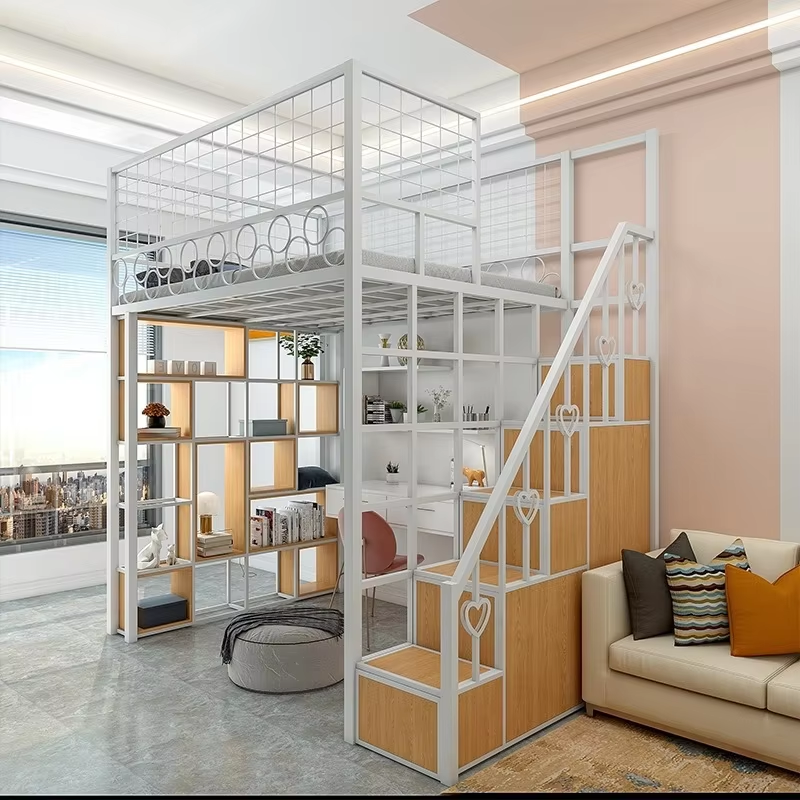
Choosing the right materials for loft beds with stairs is one of the most critical decisions you'll make when building or purchasing a loft bed frame. The materials you select directly impact durability, safety, aesthetic appeal, and long-term value. Whether you're designing a loft bed for a dorm room, a child's bedroom, or an adult living space, understanding which materials work best for loft beds with stairs ensures your investment withstands years of daily use while maintaining structural integrity.

The construction of loft beds with stairs requires balancing strength, weight capacity, and practical functionality. Each material choice affects how the loft beds with stairs perform under stress, how easily they integrate into your room design, and how they age over time. This comprehensive guide explores the best materials for loft beds with stairs, examining the pros and cons of each option to help you make an informed decision for your specific needs.
Steel and Metal Frameworks for Loft Beds with Stairs
Why Steel Remains the Industry Standard
Steel is the predominant material choice for commercial and residential loft beds with stairs because of its exceptional strength-to-weight ratio and proven track record. Metal loft beds with stairs can support substantially higher weight loads than wood alternatives, making them ideal for adult use and commercial applications. Steel frames undergo rigorous stress testing and engineering, ensuring that loft beds with stairs meet safety standards and perform reliably under consistent use.
The durability of steel-based loft beds with stairs extends their usable lifespan significantly. Unlike wood, metal doesn't warp, splinter, or deteriorate from humidity fluctuations. Loft beds with stairs constructed from high-grade steel can withstand decades of use with minimal maintenance, making them a cost-effective long-term investment for families or institutional buyers.
Stair Integration and Safety Considerations
Metal components are particularly advantageous when constructing integrated staircases for loft beds with stairs. Steel stairs provide non-slip surfaces that remain consistent regardless of weather or age, whereas wood stairs can develop slickness over time. The rigidity of metal ensures that loft beds with stairs maintain structural alignment, preventing the wobbling or movement that compromises safety during climbing and descent.
Welded connections in loft beds with stairs create permanent, tested joints that eliminate the loosening issues common in bolt-and-dowel construction. The engineering precision of metal loft beds with stairs means stress is distributed evenly across the frame, reducing strain on individual components and extending the operational life of staircases and support structures.
Wood and Hybrid Materials for Loft Beds with Stairs
Solid Wood Advantages and Limitations
Solid wood remains popular for loft beds with stairs in residential settings because of its aesthetic warmth, natural appearance, and alignment with interior design trends. Hardwoods like oak, maple, and pine offer traditional aesthetic qualities that metal cannot replicate, making them suitable for bedrooms where visual cohesion matters. Loft beds with stairs built from solid wood can create a cozy, integrated feel within room environments while maintaining impressive strength when constructed properly.
However, loft beds with stairs constructed entirely from solid wood face specific challenges that metal alternatives avoid. Wood expands and contracts with seasonal humidity changes, potentially affecting the stability of loft beds with stairs over time. Wooden staircases on loft beds with stairs require regular maintenance, including surface refinishing, protective coating reapplication, and inspection for cracks or warping that compromise safety.
Engineered Wood and Composite Options
Engineered wood materials provide a middle ground for budget-conscious buyers seeking loft beds with stairs. Plywood, laminated veneer lumber, and medium-density fiberboard offer better stability than solid wood while reducing costs compared to premium hardwood construction. Loft beds with stairs using quality engineered materials can deliver acceptable performance for residential applications where weight loads remain moderate and usage patterns are predictable.
The staircase components of loft beds with stairs often benefit from hybrid construction combining metal frames with wood treads. This approach leverages the structural reliability of metal while providing the familiar comfort and aesthetic of wood surfaces. Many modern loft beds with stairs employ this strategy, using steel supports with hardwood or engineered wood stairs to balance safety, durability, and design appeal.
Material Selection Criteria for Loft Beds with Stairs
Weight Capacity and Load Distribution
The intended user demographics directly influence which materials work best for loft beds with stairs. Loft beds with stairs designed for children require different engineering than those supporting multiple adults or heavy equipment storage. Steel construction becomes essential when loft beds with stairs must accommodate 500-pound-plus weight loads, as metal maintains its strength integrity under concentrated stress without deformation.
Material choices for loft beds with stairs must account for dynamic loading—the additional stress created by climbing, jumping, and rapid movements. Steel excels in this context because metal's elasticity absorbs and distributes impact forces effectively. Wood-based loft beds with stairs can develop stress fractures under dynamic conditions over months or years, particularly if design flaws concentrate forces on specific joints or support points.
Environmental Durability and Maintenance Requirements
Environmental factors like humidity, temperature fluctuations, and exposure to moisture significantly impact material selection for loft beds with stairs. Metal loft beds with stairs resist moisture infiltration and require only occasional cleaning and protective coating maintenance. Wood-based loft beds with stairs demand environmental control and regular protective treatments to prevent rot, mold, or pest damage, especially in humid climates or basements.
For institutional applications like dormitories or vacation rentals, steel-based loft beds with stairs deliver superior total cost of ownership despite higher initial investment. The minimal maintenance and extended lifespan of metal loft beds with stairs reduce replacement cycles and downtime. Wood alternatives for loft beds with stairs typically require refinishing every five to seven years and face higher replacement rates due to component degradation in high-use environments.
FAQ
What is the most durable material for loft beds with stairs?
Steel and high-quality metal alloys are the most durable materials for loft beds with stairs. Metal construction provides superior structural integrity, eliminates warping and deterioration issues, and delivers reliable performance across decades of use. Steel loft beds with stairs maintain consistent quality with minimal maintenance, making them ideal for anyone prioritizing longevity and reliability over other factors.
Can wooden loft beds with stairs support multiple occupants?
Wooden loft beds with stairs can support multiple occupants if engineered and constructed properly using quality materials and solid joinery. However, metal alternatives consistently outperform wood when weight capacity must exceed 400 pounds or when dynamic stress is significant. For safety and peace of mind, metal or hybrid loft beds with stairs are preferable when multiple occupants regularly use the same structure.
What material is safest for loft beds with stairs with children?
Metal loft beds with stairs are generally the safest choice for children because of superior structural stability, non-slip stair surfaces, and resistance to wear damage. Steel construction eliminates wobbling and maintains precise alignment, reducing fall risks and injury potential. Metal loft beds with stairs also resist the splinters and rough surfaces that develop on wood staircases over time, making them inherently safer for young users.