 EN
EN
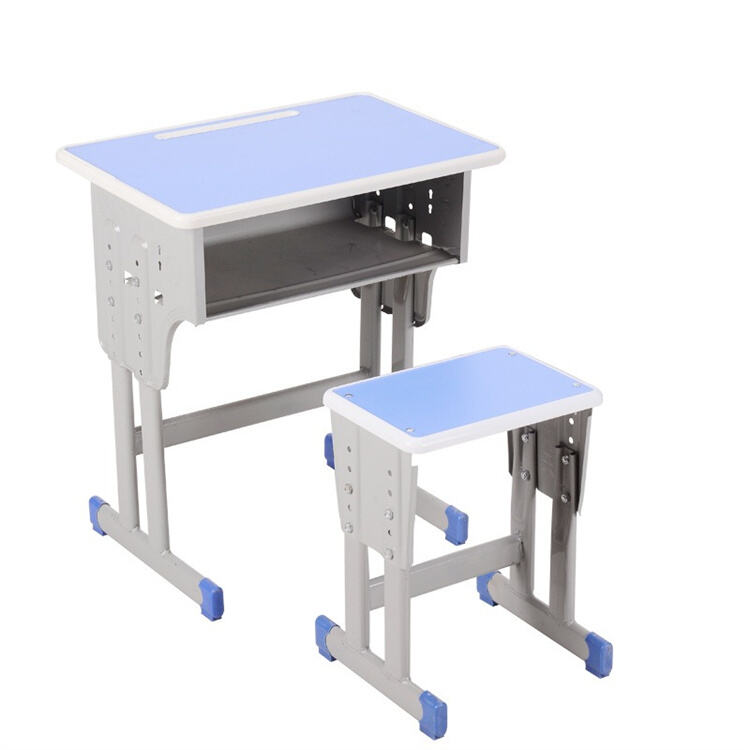
يبدأ إنشاء بيئة تعلُّم مثلى باختيار الأثاث المناسب، ولا شيء يؤثر في راحة الطلاب وأدائهم الأكاديمي مثل مجموعة مكتب المدرسة والكرسي المصممة جيدًا. وتتطلب المرافق التعليمية الحديثة حلول أثاث توازن بين المتانة، والوظيفية الإنجليزية (الإرجونوميكس)، والفعالية من حيث التكلفة، مع دعم أساليب التعلُّم المتنوعة وتكوينات الفصول الدراسية. وقد تطورت مجموعات مكاتب المدارس والكراسي اليوم بشكلٍ كبيرٍ يتجاوز التصاميم الخشبية التقليدية لتشمل مواد متقدمة، وميزات قابلة للضبط، وحلول تخزين مبتكرة تلبي الاحتياجات الصعبة للتعليم المعاصر.
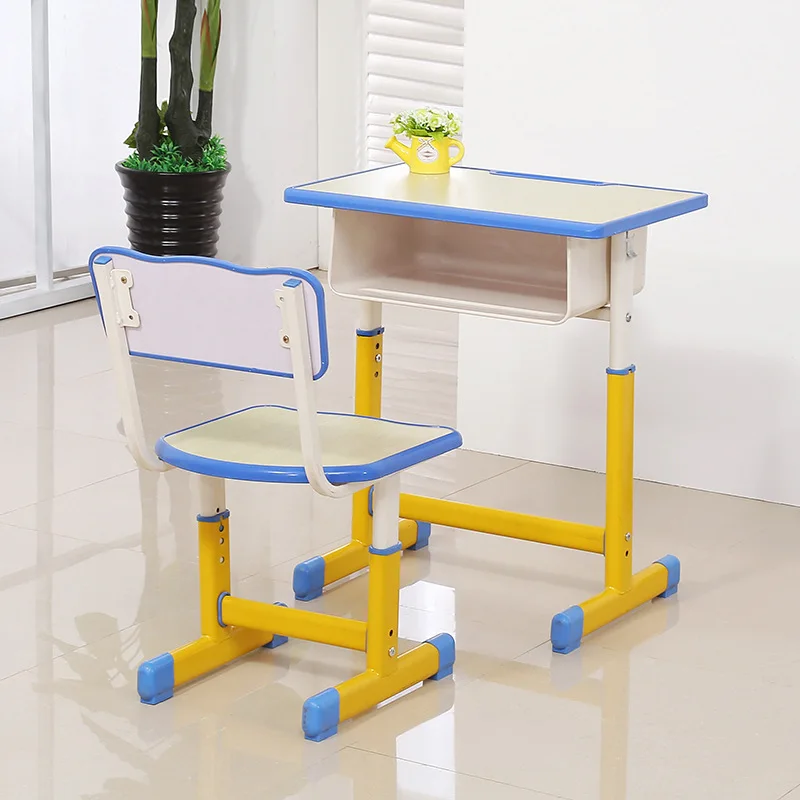
يواجه مدراء المؤسسات التعليمية ومديرو المرافق ضغوطًا متزايدةً لتعظيم كفاءة الميزانية مع ضمان رفاهية الطلاب ونجاحهم الأكاديمي. ويؤثر اختيار أطقم الطاولات والكراسي المدرسية المناسبة تأثيرًا مباشرًا على تطوير الوضعية الجسدية، ومستويات التركيز، والديناميكية العامة داخل الصف الدراسي. وتُظهر الأبحاث باستمرار أن الأثاث الملائم من حيث المقاس يقلل من الانزعاج الجسدي، ويحد من الاضطرابات السلوكية، ويعزز نتائج التعلُّم في جميع المراحل الدراسية.
الميزات الأساسية لمكاتب المدارس الحديثة طاولة ومكتب وكرسي المجموعات
مبادئ التصميم الهيكلي المعتمد على الراحة
تُركِّز شركات تصنيع مكاتب وكراسي المدارس المعاصرة على الاعتبارات الإرجونومية لدعم تطوير وضعية جلوس صحية خلال فترات النمو الحرجة. وتسمح آليات ضبط ارتفاع المقعد بتعديل الأثاث ليتناسب مع طلابٍ مختلفي الطول في الفصل الدراسي نفسه، مما يلغي الحاجة إلى توفير أحجام متعددة من الأثاث. كما تساعد زوايا ظهر الكرسي وميزات دعم القسم القطني في الحفاظ على الانحناء الطبيعي للعمود الفقري، ما يقلل من التعب أثناء الجلسات الدراسية الطويلة.
وتضمن قابلية ضبط ارتفاع سطح المكتب وضع المرفقين بشكل مناسب أثناء مهام الكتابة، مما يمنع إجهاد الكتف ويعزز آليات الخط الجيد. أما دمج مساند للأقدام أو امتدادات قابلة للضبط للأرجل فهي تراعي احتياجات الطلاب الأقصر طولاً مع الحفاظ على تدفق الدم السليم. وتسهم هذه الابتكارات الإرجونومية في تصميم مكاتب وكراسي المدارس إسهاماً كبيراً في تحسين الأداء الأكاديمي والحد من الغياب المدرسي الناجم عن المشكلات المرتبطة بعدم الراحة.
المتانة ومعايير المواد
يجب أن تتحمل أثاثات التعليم الاستخدام اليومي المكثف من قِبل مئات الطلاب على مدار عدة سنوات أكاديمية. وتوفّر هياكل الإطارات الفولاذية عالية الجودة متانة هيكلية استثنائية مع الحفاظ على وزن معقول يسمح بإعادة ترتيب الأثاث في الصف الدراسي بسهولة. كما تقاوم التشطيبات المُطلية بالبودرة الخدوش والتجاعيد والأضرار الكيميائية الناتجة عن مواد التنظيف، مما يضمن جاذبية جمالية ووظيفية طويلة الأمد.
توفر المواد البوليمرية المتقدمة المستخدمة في أسطح الطاولات مقاومةً فائقةً للبقع والخدوش والأضرار الناتجة عن التصادم مقارنةً بالخيارات التقليدية المصنوعة من القشرة اللامينية. وتظل هذه المواد محافظةً على مظهرها رغم التعرّض للأقلام التلوينية والدهانات ومختلف اللوازم التعليمية. وتتميّز أفضل أطقم طاولات المدرسة والكراسي بوجود نقاط اتصال معزَّزة وأجزاء معدنية ثقيلة متينة تحافظ على ثبات الأثاث حتى في ظل أنماط الاستخدام العنيفة التي تشهدها بيئات التعلّم النشطة.
أفضل أطقم طاولات المدرسة والكراسي حسب التقييمات
حلول قابلة للتعديل في الارتفاع
طورت الشركات المصنعة الرائدة آليات متقدمة لضبط الارتفاع تتيح التكيّف مع مستويات صفوف دراسية متعددة ضمن قطعة أثاث واحدة. وتوفّر أنظمة الرفع الهوائية تشغيلًا سلسًا وهادئًا مع الحفاظ على دقة التموضع في جميع مداها للضبط. وهذه مكتب مدرسي وكرسي المجموعات تلغي الحاجة إلى استبدال الأثاث بشكل متكرر مع تقدم الطلاب عبر المستويات الصفية المختلفة.
وتُعَدّ أنظمة الضبط اليدوية بديلاً موثوقًا وقليل الصيانة للمؤسسات التي تراعي الميزانية، مع توفيرها في الوقت نفسه إمكانات تخصيص أساسية. وتضمن الآليات ذات التحميل بالزنبرك تشغيلًا سهلًا جدًّا من قِبل الطلاب والمعلّمين على حدٍّ سواء، مما يشجّع على إجراء التعديلات المنتظمة للحفاظ على التموضع الأمثل. وتقلّل هذه الحلول المتعددة الاستخدامات تكاليف الأثاث على المدى الطويل بشكل ملحوظ، مع تحسين راحة الطلاب في فئات الفصول الدراسية المتنوعة.
ترتيبات التعلُّم التعاوني
تُركِّز النُّهُج التربوية الحديثة على منهجيات التعلُّم التعاوني التي تتطلَّب ترتيبات مرنة للأثاث. وتدمج تصاميم المكاتب والكراسي المدرسية المبتكرة عناصر وحدوية تُسهِّل إعادة الترتيب السريعة لمجموعات المشاريع والعروض التقديمية والأنشطة التفاعلية. ويتيح البناء الخفيف الوزن جنبًا إلى جنب مع العجلات ذات الحركة السلسة للطلاب تعديل مواقع أماكن عملهم بأنفسهم دون إحداث اضطراب في سير العملية الصفية.
وتسمح الحواف المنحنية لسطوح المكاتب والتصاميم المدمجة بترتيب عدة وحدات في دوائر أو مجموعات أو صفوف تقليدية حسب متطلبات الأنشطة التعليمية. وبعض التصاميم المتقدمة تتميز بأسطح مكاتب قابلة للانقلاب، ذات نسيج أو ألوان مختلفة لدعم مختلف أساليب التعلُّم. وتمكن هذه الحلول المتكيفة للمكاتب والكراسي المدرسية المعلِّمين من إنشاء بيئات تعلُّمية ديناميكية تستجيب للابتكارات التربوية واستراتيجيات تحفيز مشاركة الطلاب.
معايير الاختيار للمؤسسات التعليمية
استراتيجيات تحسين الميزانية
تتطلب القيود المفروضة على الميزانية التعليمية تقييمًا دقيقًا لتكلفة الملكية الإجمالية، بدلًا من مقارنة أسعار الشراء الأولية فقط. فغالبًا ما توفر أطقم الطاولات والكراسي المدرسية عالية الجودة، والتي تشمل ضمانات ممتدة وسجلات موثوقة من المتانة، قيمةً متفوقةً رغم استثمارها الأولي الأعلى. كما أن اتفاقيات الشراء بالجملة والعقود متعددة السنوات تؤدي عادةً إلى تخفيضات كبيرة في التكاليف، مع ضمان توحيد معايير الأثاث في جميع مرافق المؤسسة.
وتؤثر متطلبات الصيانة وتوافر قطع الغيار بشكلٍ كبيرٍ على النفقات التشغيلية طويلة الأجل. فأنظمة الأثاث التي تعتمد مكونات قياسية وقطع غيار متوفرة بسهولة تقلل من وقت التوقف عن العمل وتكاليف الإصلاح. وينبغي لأقسام المشتريات التعليمية أن تُقيّم استقرار المورِّدين وقدراتهم الخدمية ونطاق الضمانات المقدمة عند اختيار مورِّدي طاولات وكراسي المدارس، لضمان الدعم المستمر طوال دورة حياة الأثاث.
معايير السلامة والامتثال
يجب أن تتوافق أثاثات التعليم مع لوائح السلامة الصارمة التي وضعتها الهيئات الحكومية والسلطات التعليمية. وتمنع الزوايا المستديرة والحافات الناعمة ومقاسات الفجوات المناسبة مخاطر الإصابات مع الحفاظ على سلامة التصميم الوظيفي. وتضمن تصنيفات مقاومة الحريق وشهادات اعتماد انبعاثات المواد السامة سلامة الصفوف الدراسية والالتزام بمعايير جودة الهواء الداخلي بشكلٍ ثابت.
تتحقق متطلبات اختبار الاستقرار من أن أطقم الطاولات والكراسي المدرسية تقاوم الانقلاب في ظل ظروف الاستخدام العادية، بما في ذلك حركة الطلاب وانتقال الأوزان. وتوفّر المعالجات السطحية المضادة للميكروبات فوائد صحية إضافية في بيئات الصفوف الدراسية عالية الكثافة، حيث تكون مخاوف انتقال الأمراض ذات أولوية قصوى. وتُظهر وثائق الامتثال وشهادات الاختبارات من جهات خارجية التزام الشركة المصنِّعة بسلامة الطلاب وحماية المؤسسات من المسؤولية القانونية.
اعتبارات الصيانة وطول العمر
بروتوكولات التنظيف والتعقيم
أدى الوعي الصحي المعاصر إلى رفع مستوى أهمية أسطح الأثاث التي تدعم إجراءات التنظيف والتطهير الفعّالة. وتمنع المواد غير المسامية، المستخدمة في تصنيع مقاعد وأثاث المدارس، نمو البكتيريا مع السماح بعملية تطهير شاملة دون التسبب في تدهور المادة. كما أن الوصلات السلسة بين أسطح المقاعد والأثاث والشقوق الضئيلة تقلل من مخاطر التلوث وتبسّط إجراءات الصيانة اليومية.
وتضمن خصائص مقاومة المواد الكيميائية ألا تتسبب منتجات التنظيف القياسية المستخدمة في المؤسسات التعليمية في بهتان الألوان أو تلف السطح أو ضعف البنية مع مرور الوقت. كما أن المواد سريعة الجفاف تقلل من فترة توقف الصفوف الدراسية أثناء دورة التنظيف، مما يسمح باستغلال المساحات التعليمية بأقصى قدر ممكن. وبالفعل، فإن هذه الخصائص التي تسهّل الصيانة تخفض التكاليف التشغيلية بشكل كبير، وفي الوقت نفسه تدعم بيئات تعلُّم أكثر صحةً للطلاب والكوادر التعليمية.
برامج الرعاية الوقائية
تمتد برامج الصيانة المنهجية في عمر الاستثمارات الخاصة بمكاتب وكراسي المدارس التشغيلي، مع الحفاظ على خصائص الأداء المثلى. وتُحدد جداول الفحص المنتظمة المشكلات الطفيفة قبل أن تتفاقم لتصبح حالات تتطلب إصلاحًا مكلفًا أو استبدالًا كاملاً. وتساهم عمليات تشحيم الأجزاء المتحركة، وشَدّ الوصلات، واستعادة سطح الأثاث في الحفاظ على كلٍّ من الوظيفية والمظهر الجمالي طوال فترات الخدمة الطويلة.
تضمن برامج تدريب الموظفين أن يفهم المربون وموظفو الصيانة الاستخدام السليم وإجراءات الصيانة الأساسية. وتتولى نظم التوثيق تتبع حالة الأثاث، وتاريخ الإصلاحات، وجداول الاستبدال لتحسين تخطيط عمليات الشراء وتوزيع الميزانية. وهذه النُّهُج الاستباقية تُحقِّق أقصى عائدٍ على الاستثمار، مع ضمان أداءٍ ثابتٍ للأثاث في جميع المساحات التعليمية.
قدرات تكامل التقنية
الميزات الداعمة للتعلُّم الرقمي
يتطلب دمج تكنولوجيا التعليم الحديثة حلولاً للأثاث ت accommodates أجهزة الحواسيب المحمولة، والأجهزة اللوحية، وكابلات الشحن، وأدوات التعلُّم الرقمي المتنوعة. وتتضمن تصاميم المكاتب والكراسي المدرسية المتقدمة أنظمة مدمجة لإدارة الطاقة، وقنوات لتوجيه الكابلات، وأماكن لتخزين الأجهزة، مما يدعم دمج التكنولوجيا بسلاسة دون المساس بتنظيم مساحة العمل أو سلامته.
وتضمن أذرع شاشات العرض القابلة للتعديل وصواني لوحة المفاتيح القابلة للضبط وضعية جلوس إرجونومية صحيحة للاستخدام الطويل لأجهزة الحاسوب، مع الحفاظ على التوافق مع المهام التقليدية للكتابة. كما تمنع أنظمة إدارة الأسلاك مخاطر التعثر وتلف المعدات، مع الحفاظ على مظهر الفصل الدراسي نظيفًا ومنظمًا. وبفضل هذه الميزات الجاهزة للتكنولوجيا، تصبح المؤسسات التعليمية مستعدةً لتلبية متطلبات المناهج الدراسية الرقمية المتغيرة وطرائق التعلُّم الهجينة.
حماية الاستثمارات للمستقبل
تستمر تكنولوجيا التعليم في التطور السريع، ما يتطلب حلولاً للأثاث قادرةً على التكيُّف مع المتطلبات المتغيرة دون الحاجة إلى استبدالٍ كامل. وتتيح أنظمة المكاتب والكراسي المدرسية القابلة للتعديل تحديث المكونات وتعديل التكوينات عند ظهور تقنيات جديدة. كما تضمن أنظمة التثبيت الموحَّدة وميزات التوافق العالمي الجدوى الطويلة الأمد لهذا الأثاث رغم التقدُّم التكنولوجي.
وتتيح حلول التخزين القابلة للتوسُّع وتخطيطات أماكن العمل القابلة لإعادة الترتيب استيعاب الأدوات والمنهجيات التعليمية الناشئة. وينبغي أن تراعي استراتيجيات حماية الاستثمار التزام الشركة المصنِّعة بالتطوير المستمر للمنتج ودعم التوافق مع الإصدارات السابقة. وتضمن هذه النُّهج الاستباقية أن تظل استثمارات الأثاث ذات صلةٍ وظيفيةٍ طوال فترات التشغيل الممتدة، رغم التطور التكنولوجي المستمر.
الأسئلة الشائعة
ما الفئات العمرية التي يمكن أن تستوعبها مجموعات المكاتب والكراسي المدرسية القابلة للضبط؟
تتميز مجموعات مقاعد المدارس والمقاعد القابلة للتعديل من حيث الجودة عادةً بقدرتها على استيعاب الطلاب من مرحلة رياض الأطفال وحتى المرحلة الثانوية، مع نطاق ارتفاع يتراوح تقريبًا بين 24 و34 بوصة لمستوى المقعد، وبين 22 و32 بوصة لأسطح الطاولات. أما النماذج المتميزة فتقدم نطاقات ضبط موسَّعة يمكنها خدمة الطلاب الذين تتراوح أعمارهم بين 5 و18 سنة، مما يلغي الحاجة إلى شراء أثاث منفصل كلما كبر الأطفال وتقدّموا في المراحل الدراسية.
كيف تقارن مواد أثاث المدارس الحديثة بالخيارات التقليدية؟
توفر مواد طاولات المدارس والكراسي المعاصرة مزايا كبيرة مقارنةً بالخشب التقليدي والهياكل المعدنية الأساسية، ومن أبرز هذه المزايا المتانة الفائقة، وسهولة الصيانة، والميزات المحسَّنة للسلامة. كما توفر البوليمرات المتقدمة وهياكل الفولاذ المطلي بالبودرة مقاومة أفضل للتلف والبقع والتآكل، مع الحفاظ على أوزان أخف تسهِّل التعامل معها. وتدعم هذه المواد الحديثة أيضًا نظافة أفضل من خلال أسطح غير مسامية وإجراءات تنظيف مبسَّطة.
ما نطاق التغطية الضمانية الذي يجب أن تتوقعه المؤسسات التعليمية؟
عادةً ما تقدِّم شركات تصنيع طاولات وكراسي المدارس الموثوقة ضمانات تتراوح مدتها بين ١٠ و١٥ سنةً للمكونات الإنشائية، وبين ٥ و١٠ سنواتٍ لآليات التعديل الميكانيكية ومواد السطح. وينبغي أن تشمل برامج الضمان الشاملة العيوب التصنيعية، وتغطية التآكل الطبيعي، وتوافر قطع الغيار الاستبدالية طوال فترة الضمان. وعلى المشترين من القطاع التعليمي التحقق من إمكانية نقل الضمان، وتوافر شبكة الخدمات في مناطقهم الجغرافية.
كيف يمكن للمدارس تحسين ترتيب الأثاث لتناسب مختلف أنشطة التعلُّم؟
يتطلب تحسين أثاث الفصل الدراسي بشكل فعّال اختيار طاولات وكراسي مدرسية مزودة بخصائص تتيح التنقّل، مثل التصميم الخفيف الوزن والعجلات التي تدور بسلاسة، مما يمكّن من إعادة الترتيب بسرعة. وتسمح التصاميم الوحدوية بتوزيعات متنوعة تشمل الصفوف التقليدية أثناء الاختبارات والمحاضرات، والمجموعات التعاونية للمشاريع الجماعية، ودوائر المناقشة لتعزيز التعلُّم التفاعلي. وينبغي أن يشمل التخطيط حلولاً لتخزين الأثاث المؤقت، وكذلك ممرات واضحة لحركة الطلاب الآمنة أثناء الانتقالات.