
 EN
EN
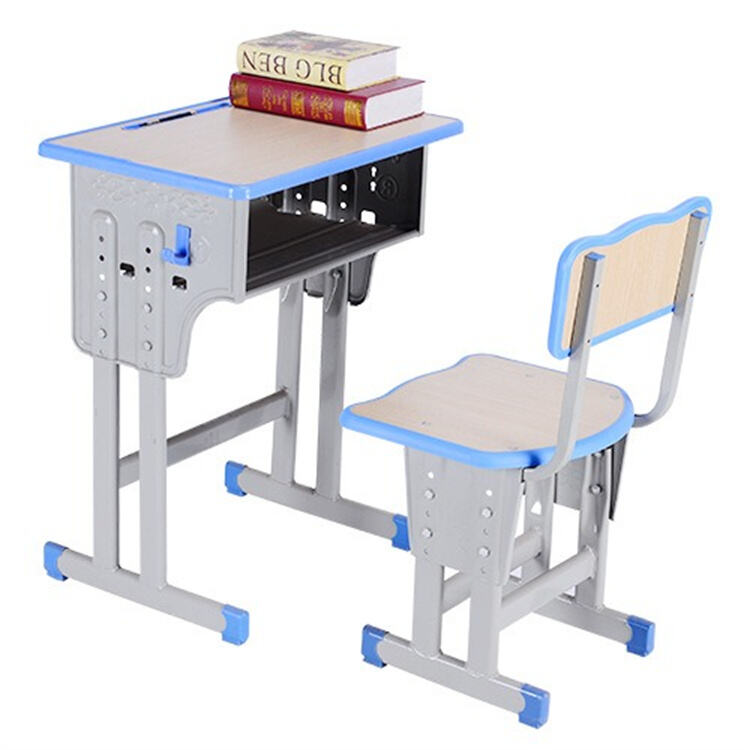
تستند مرافق الإقامة الحديثة بشكل متزايد إلى حلول نوم موفرة للمساحة، وتُركِّز في الوقت نفسه على كلٍّ من الوظيفية ورفاهية المستخدمين. ويمثِّل تصميم الأسرَّة المتعددة الطبقات الفعّالة تقاطعًا حاسمًا بين التخطيط المعماري وهندسة السلامة وتحسين تجربة المستخدم. فمنذ المؤسسات التعليمية وحتى أماكن الضيافة، يتجاوز أثر التصميم المدروس للأسرَّة المتعددة الطبقات مجرد توفير المساحة، ليؤثر في كل شيء بدءًا من الوقاية من الحوادث ووصولًا إلى السلامة الهيكلية على المدى الطويل. ويساعد فهم كيفية تأثير عناصر التصميم على نواتج السلامة وسهولة الاستخدام اليومي مدراء المرافق على اتخاذ قرارات مستنيرة تحمي المستخدمين مع تحقيق أقصى كفاءة تشغيلية.
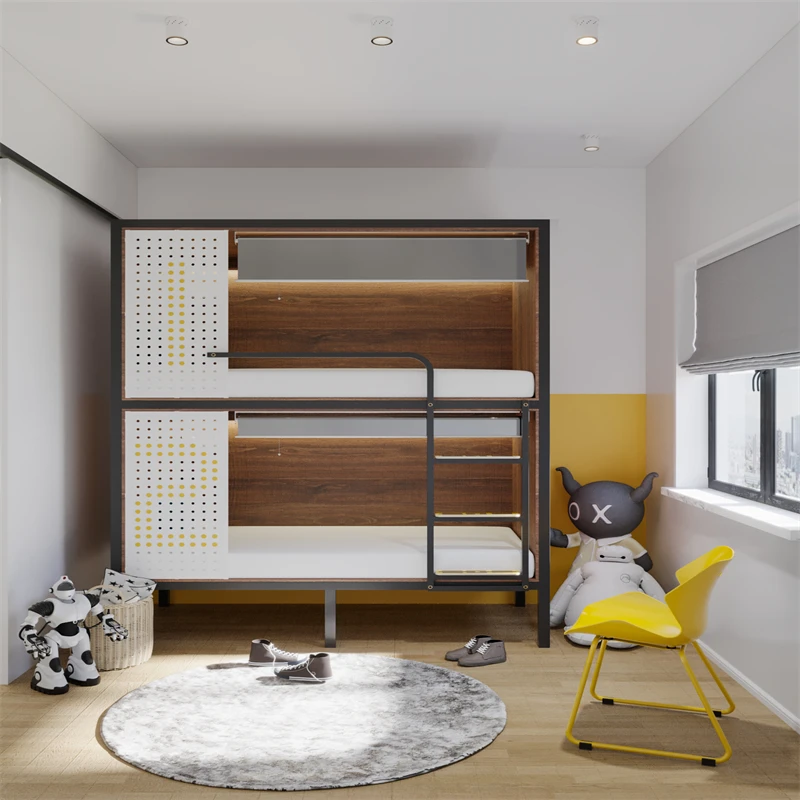
اعتبارات السلامة الهيكلية في تصميم الأسرَّة المتعددة الطبقات
بناء الإطار وتحديد المواد
تبدأ أساسيات تصميم الأسرّة المتعددة الطوابق الآمنة ببناء هيكلٍ متينٍ باستخدام مواد مناسبة قادرة على تحمل ظروف التحميل الديناميكي. وعادةً ما توفر الهياكل الفولاذية نسبة قوة إلى وزن متفوقة مقارنةً بالبدائل الخشبية، مما يوفّر ثباتًا معزَّزًا في سيناريوهات الاشغال المختلفة. ويضم تصميم الأسرّة المتعددة الطوابق عالي الجودة نقاط اتصال مُعزَّزة في مناطق الإجهاد الحرجة، ومنها مناطق تثبيت السلم وهيكل دعم السرير العلوي. كما أن اختيار المادة يؤثر مباشرةً في المتانة على المدى الطويل، حيث تقدِّم التشطيبات الفولاذية المغلفة بالبودرة مقاومةً فائقةً للتآكل والرطوبة والتعرُّض الكيميائي الشائع في البيئات المؤسسية.
يجب أن تأخذ الحسابات الهندسية لتصميم الأسرّة المتعددة المستويات في الاعتبار الأحمال الساكنة والديناميكية على حدٍّ سواء، بما في ذلك الحركات المفاجئة، ووجود عدة مستخدمين في الوقت نفسه، وسيناريوهات التصادم المحتملة. ويضمن تحديد أبعاد الإطار بدقة هامش أمان كافياً مع الحفاظ في الوقت ذاته على الكفاءة الإنشائية. كما تسهم عناصر التثبيت العرضي والعناصر الداعمة القطرية بشكل كبير في صلابة الإطار العامة، مما يمنع الحركة الجانبية التي قد تُعرِّض سلامة المستخدم للخطر أثناء أنماط الاستخدام العادية.
توزيع الحمولة والسعة التحملية
يتطلب التصميم الفعّال للأسرّة المتعددة المستويات تحليلًا دقيقًا لأنماط توزيع الأحمال عبر جميع المكونات الإنشائية. ويجب أن تقوم منصات السرير العلوي بتوزيع الوزن بالتساوي عبر عدة نقاط دعم، بدلًا من الاعتماد فقط على التحميل المحيطي. وهذه الطريقة تقلل من تركيزات الإجهادات التي قد تؤدي إلى فشل مبكر أو مخاطر أمنية. كما ينبغي أن تتجاوز مواصفات سعة التحميل الوزن المتوقع استخدامه بنسبة عوامل أمان مناسبة، وتتراوح هذه النسبة عادةً بين ٢٥٠٪ و٤٠٠٪ تبعًا لمتطلبات التطبيق والمعايير التنظيمية.
تصبح اعتبارات التحميل الديناميكي بالغة الأهمية في البيئات المؤسسية، حيث قد يشارك المستخدمون في سلوكيات أكثر نشاطًا. ويُراعي التصميم السليم للأسرّة المتعددة الطوابق ميزات مقاومة للتأثير، كما يأخذ في الحسبان سيناريوهات تضم عدة مستخدمين أو تغيّرات مفاجئة في التحميل. ويجب أن تعكس المسافات بين عناصر هيكل الدعم وأبعاد العوارض هذه المتطلبات الديناميكية، مع الحفاظ في الوقت نفسه على إمكانية الوصول العملية وكفاءة التصنيع.
سلامة الوصول والميزات الارгонومية
تصميم السلم وموقعه
ويُعَدّ تكوين السلم أحد الجوانب الحرجة جدًّا في تصميم الأسرّة المتعددة الطوابق، إذ يؤثر تأثيرًا مباشرًا في معدلات إصابات المستخدمين وفي قابلية الاستخدام اليومي. ويوفر وضع السلم الأمثل زوايا تسلُّق مناسبة مع الحفاظ في الوقت نفسه على مسافة كافية من الهياكل أو القطع الأثاثية المجاورة. وتوفِّر تصاميم السلالم الثابتة عمومًا استقرارًا أفضل مقارنةً بالبدائل القابلة للإزالة، رغم أنها تتطلب دمجًا دقيقًا مع هندسة السرير ككل لمنع أي تداخل مع إمكانية الوصول إلى السرير السفلي.
تؤثر المسافات بين الدرجات وتصميمها تأثيرًا كبيرًا على راحة المستخدم وسلامته أثناء عمليات التسلق. ويضم تصميم الأسرّة المتعددة الطوابق القياسي مسافات بين الدرجات تتراوح بين ١٠ و١٢ بوصة لاستيعاب مختلف مقاسات وأطوال المستخدمين وقدراتهم. وينبغي أن توفر أشكال الدرجات سطح قبضة كافٍ مع الحفاظ على الراحة أثناء ملامستها لفترات طويلة. وتُحسِّن العلاجات المانعة للانزلاق أو الأسطح المُلَمَّسة السلامة في البيئات الرطبة أو عند وجود ماء على أقدام المستخدمين.
تكوين الدرابزين وارتفاعه
تشكّل أنظمة الدرابزين حواجز سلامة جوهرية تمنع السقوط العرضي مع السماح بالحركات الطبيعية أثناء النوم. ويتسم تصميم الأسرّة المتعددة الطوابق بحفاظه على ارتفاعات الدرابزين بين ٥ و٧ بوصات فوق أسطح المراتب، مما يوفّر الحماية دون إحداث عوائق أمام الوصول إليها. كما يجب أن تكون المسافات بين عناصر الدرابزين كافية لمنع الاحتجاز مع السماح بتداول هواء كافٍ ورؤية واضحة.
يتطلب دمج الحواجز الواقية مع نقاط الوصول السلمية تنسيقًا دقيقًا للحفاظ على الحماية المستمرة أثناء تمكين الدخول والخروج الآمنين. وغالبًا ما تتضمّن حلول التصميم آليات أبواب أو ترتيبات متداخلة من الحواجز التي تحافظ على حواجز السلامة أثناء الاستخدام العادي. ويجب أن تكون الوصلة الإنشائية بين الحواجز الواقية ومكونات الهيكل الرئيسي قادرةً على تحمل قوى جانبية كبيرة دون المساس باستقرار السرير الكلي أو إحداث نقاط ضعف عُرضة للفشل.
اعتبارات المتانة طويلة الأمد والصيانة
المعالجات السطحية وحماية التآكل
يعتمد الأداء طويل الأمد لتصميم الأسرّة المتعددة الطوابق اعتمادًا كبيرًا على اختيار معالجة السطح وجودة تطبيقها. وتوفّر أنظمة الطلاء بالبودرة متانةً فائقةً مقارنةً بالتشطيبات القياسية للدهانات، ما يمنح مقاومةً محسَّنةً للخدوش والتقشُّر والتعرُّض للمواد الكيميائية. أما أنظمة الطلاء متعددة الطبقات التي تتضمَّن طبقات التمهيد والطلاء الأساسي والطلاء العلوي فهي توسِّع عمر الخدمة بشكلٍ ملحوظٍ في البيئات المؤسسية الصعبة، حيث تظل وتيرة التنظيف والتعرُّض للمواد الكيميائية مرتفعة.
تصبح حماية الهيكل من التآكل أمرًا حاسم الأهمية بصفة خاصة في البيئات الساحلية أو المرافق ذات مستويات الرطوبة العالية. ويضمّ تصميم الأسرّة المتعددة الطوابق عالي الجودة إجراءاتٍ مناسبةً لإعداد السطح ومواصفاتٍ لسماكة الطلاء تفوق الحدّ الأدنى المطلوب للظروف التشغيلية المتوقَّعة. وينبغي أن تتناول بروتوكولات الصيانة الدورية فحص الطلاء وإجراءات اللمسة النهائية له للحفاظ على سلامة الحماية طوال دورة حياة المنتج.
قدرة على استبدال المكونات وترقيتها
يُسهِّل تصميم السرير ذي الطابقين المستدام استبدال المكونات وترقية النظام دون الحاجة إلى استبدال الوحدة بالكامل. وتتيح أنظمة الاتصال الوحدوية استبدال المكونات البالية بشكل انتقائي مع الحفاظ على الاستثمار في العناصر الإنشائية المتبقية. وتضمن مواصفات الأجهزة الموحَّدة توافر القطع على المدى الطويل وتقلل من تعقيد عمليات الصيانة بالنسبة لفرق إدارة المرافق.
يجب أن تتضمَّن وثائق التصميم إجراءات تجميع مفصَّلة وأنظمة لتحديد المكونات تدعم عمليات الصيانة بكفاءة. ويُمكِّن توحيد المكونات عبر خطوط المنتجات من دمج المخزون وتقليل متطلبات التدريب للموظفين المسؤولين عن الصيانة. كما تساعد اعتبارات التوافق الأمامي في ضمان إمكانية تركيب التعديلات أو التحسينات التصميمية على التركيبات القائمة عند توافر ذلك عمليًّا وفعَّالًا من حيث التكلفة.
العوامل البيئية وعوامل راحة المستخدم
التهوية وتدوير الهواء
يُعالج تصميم السرير ذي الطابقين المناسب متطلبات تهوية الهواء التي تؤثر تأثيرًا كبيرًا على راحة المستخدم وجودة نومه. ويؤثر وضع السرير العلوي في أنماط تهوية الهواء الطبيعية، ما يستدعي تضمين ميزات تصميمية تعزِّز التهوية الكافية دون التسبب في تيارات هواء غير مرغوب فيها أو اختلالات في درجات الحرارة. وينبغي أن تتضمَّن تشكيلات الرأسية (الرأسية الخلفية) والألواح الجانبية فتحات تهوية أو عناصر تصميمية تُسهِّل حركة الهواء مع الحفاظ على السلامة الإنشائية والخصوصية.
يؤثر تصميم منصة المرتبة في تهوية الهواء المحيطة بأسطح النوم، مما ينعكس على التحكم في الرطوبة والراحة الحرارية. وتوفِّر المنصات المشبَّكة أو الألواح المثقبة تهويةً متفوِّقةً مقارنةً بالمنصات الصلبة، مع الحفاظ في الوقت نفسه على الدعم الكافي لأنواع مختلفة من المراتب. ويجب تحسين المسافات بين عناصر المنصة لمنع سقوط الأشياء الصغيرة مع ضمان حركة هواء فعَّالة.
تحسين الخصوصية ومساحة الشخص
تتجه تصاميم الأسرّة المتعددة الطوابق الحديثة بشكل متزايد إلى دمج ميزات تعزز خصوصية المستخدم وتحدد المساحة الشخصية داخل أماكن الإقامة المشتركة. وتوفّر أنظمة الإغلاق الجزئي أو ألواح الخصوصية فصلًا بصريًّا دون المساس بمتطلبات سهولة الوصول الآمن أو التهوية. ويجب أن تحقِّق حلول التصميم توازنًا بين تعزيز الخصوصية وبين احتياجات الإشراف ومتطلبات الوصول في حالات الطوارئ، وهي متطلبات شائعة في التطبيقات المؤسسية.
ويُعَدُّ دمج وحدات التخزين ضمن تصميم الأسرّة المتعددة الطوابق حلاًّ لتنظيم المتعلّقات الشخصية مع الحفاظ على الممرات الواضحة ومناطق السلامة. كما تقلل حلول التخزين المدمجة من تراكم الفوضى التي قد تشكّل مخاطر أمنية أو تعقيدات في عمليات الصيانة. وينبغي أن تراعي أساليب التصميم الاحتياجات المختلفة للمستخدمين ومتطلبات التخزين، مع الحفاظ في الوقت نفسه على البساطة الهيكلية وسهولة الوصول للتنظيف.
الاعتبارات المتعلقة بالامتثال واللوائح
معايير السلامة ومتطلبات التصديق
يجب أن يتوافق تصميم السرير ذي الطابقين مع معايير السلامة المعمول بها، والتي تختلف حسب الولاية القضائية والتطبيق المقصود. وتقدّم معايير منظمة الاختبارات والمواد الأمريكية (ASTM) ولجنة سلامة المنتجات الاستهلاكية الأمريكية (CPSC) متطلبات شاملة للتطبيقات السكنية، في حين قد تتطلب الاستخدامات المؤسسية الامتثال الإضافي لمعايير مكافحة الحرائق ولوائح إمكانية الوصول. ويساعد فهم المعايير المعمول بها أثناء مرحلة تطوير التصميم على تجنّب التعديلات المكلفة ويضمن قبول المنتج في السوق.
تُثبت عمليات الاختبار والاعتماد من طرف ثالث امتثال تصميم السرير ذي الطابقين لمتطلبات السلامة، وتوفر الوثائق اللازمة لإجراءات الشراء المؤسسي. وعادةً ما تقيّم بروتوكولات الاختبار سلامة الهيكل، والاستقرار، ومخاطر الاحتجاز، وخصائص سلامة الأسطح. أما الحفاظ على صلاحية الشهادات الحالية فيتطلب أنظمة مستمرة لمراقبة الجودة وإعداد الوثائق التي تُظهر الامتثال المتسق في جميع مراحل عمليات التصنيع.
متطلبات التركيب والتجميع
يأخذ التصميم الفعّال لسريرين علوي وسفلي في الاعتبار متطلبات التركيب وظروف الموقع التي تؤثر على نواتج السلامة والأداء. ويجب أن تقلل إجراءات التجميع من فرص حدوث تركيب خاطئ، مع توفير طرق تحقق واضحة لإكمال التركيب بشكل صحيح. كما يجب أن تراعي عملية اختيار الأجهزة وأساليب الربط الاختلافات في مستويات المهارة بين العاملين المسؤولين عن التركيب، مع الحفاظ في الوقت نفسه على متطلبات السلامة الإنشائية.
تضمن متطلبات تحضير الموقع ومواصفات نقاط التثبيت التكامل السليم مع الهياكل المعمارية عند اشتراط ذلك بموجب التعليمات أو معايير السلامة المعمول بها. وينبغي أن تتضمّن وثائق التصميم متطلبات الأساس، ومواصفات المسافات البادئة (Clearance)، واحتياجات التنسيق مع المرافق العامة التي تؤثر على نجاح عملية التركيب. وتساعد أنظمة الترميز والتعريف الواضحة في الوقاية من أخطاء التجميع التي قد تُضعف خصائص السلامة أو الأداء.
الأسئلة الشائعة
ما أهم ميزات السلامة التي يجب أخذها في الاعتبار عند تصميم السريرين العلوي والسفلي؟
تشمل أهم ميزات السلامة ما يلي: ارتفاع الدرابزين المناسب وتباعد عناصره، وتثبيت السلم بشكل آمن مع تباعد مناسب بين الدرجات، وقدرة الهيكل على تحمل الأحمال الكافية مع هامش أمان كافٍ، وتدابير منع الاحتجاز. وتشكّل استقرار الإطار، وتعزيز نقاط الاتصال، والامتثال للمعايير الأمنية المعمول بها الأساس الذي تقوم عليه تصاميم الأسرّة ذات الطابقين الآمنة. كما ينبغي أخذ إمكانية الفحص الدوري والصيانة في الاعتبار لضمان الأداء الآمن على المدى الطويل.
كيف يؤثر اختيار المادة على المتانة على المدى الطويل ومتطلبات الصيانة؟
يؤثر اختيار المادة تأثيرًا كبيرًا على المتانة من خلال مقاومتها للتآكل، وخصائص ارتدائها، والأداء الهيكلي لها مع مرور الوقت. وتوفّر الإطارات الفولاذية المُغطَّاة بنظام عالي الجودة من الطلاء الكهروستاتيكي عادةً عمرًا افتراضيًّا أطول مقارنةً بالمواد الأخرى، لا سيما في البيئات المؤسسية. ويؤثر جودة المعالجة السطحية في تكرار عمليات الصيانة والتكاليف الإجمالية على مدى دورة الحياة، بينما تمنع اعتبارات توافق المواد حدوث التآكل الغلفاني وآليات التدهور الأخرى التي قد تُضعف السلامة أو المظهر.
ما العناصر التصميمية التي تؤثر تأثيرًا كبيرًا في راحة المستخدم أثناء الاستخدام اليومي؟
يعتمد راحة المستخدم اعتمادًا كبيرًا على تصميم منصة المرتبة لتوفير الدعم المناسب والتهوية الكافية، وعلى إرجونوميات السلم لضمان سهولة وسلامة الوصول، وعلى توفر ارتفاع كافٍ فوق الرأس وتخصيص مساحة شخصية كافية، وكذلك على ميزات خفض الضوضاء التي تقلل إلى أدنى حدٍ من اضطراب النوم. كما تسهم اعتبارات الخصوصية، وسهولة الوصول إلى أماكن التخزين، ودمج أنظمة الإضاءة بشكلٍ كبير في رضا المستخدم وقبوله الطويل الأمد للسرير ذي الطابقين في بيئات السكن المشترك.
كيف يمكن لتصميم الأسرّة ذات الطابقين أن يستوعب الاحتياجات المختلفة للمستخدمين ومتطلبات الوصول؟
يتميز تصميم السرير العلوي المرن بخصائص قابلة للتعديل، ومكونات وحدوية يمكن إعادة ترتيبها، وتحسينات اختيارية للوصول إليها مثل درجات سلم أوسع أو درابزين إضافي. وينبغي أن تراعي مناهج التصميم اختلاف طول المستخدمين، والقيود المتعلّقة بالحركة، والمتطلبات الخاصة بكل فئة عمرية، مع الحفاظ على معايير السلامة. وتساعد مبادئ التصميم الشامل في إنشاء حلول تلبي احتياجات شرائح متنوعة من المستخدمين دون المساس بالوظائف أو أداء السلامة.
جدول المحتويات
- اعتبارات السلامة الهيكلية في تصميم الأسرَّة المتعددة الطبقات
- سلامة الوصول والميزات الارгонومية
- اعتبارات المتانة طويلة الأمد والصيانة
- العوامل البيئية وعوامل راحة المستخدم
- الاعتبارات المتعلقة بالامتثال واللوائح
-
الأسئلة الشائعة
- ما أهم ميزات السلامة التي يجب أخذها في الاعتبار عند تصميم السريرين العلوي والسفلي؟
- كيف يؤثر اختيار المادة على المتانة على المدى الطويل ومتطلبات الصيانة؟
- ما العناصر التصميمية التي تؤثر تأثيرًا كبيرًا في راحة المستخدم أثناء الاستخدام اليومي؟
- كيف يمكن لتصميم الأسرّة ذات الطابقين أن يستوعب الاحتياجات المختلفة للمستخدمين ومتطلبات الوصول؟