Versatile Design and Easy Maintenance Benefits
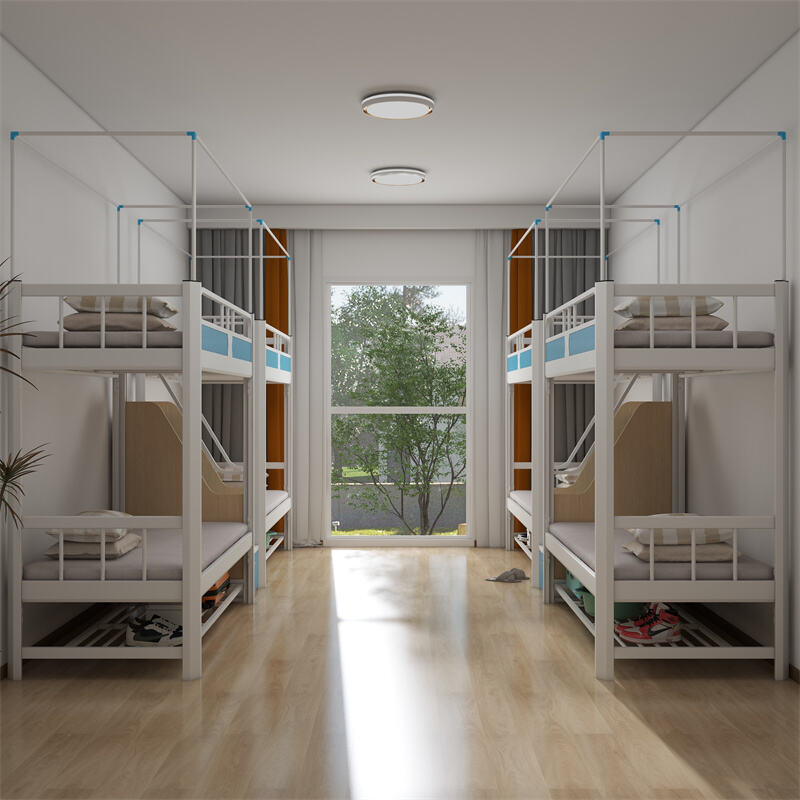
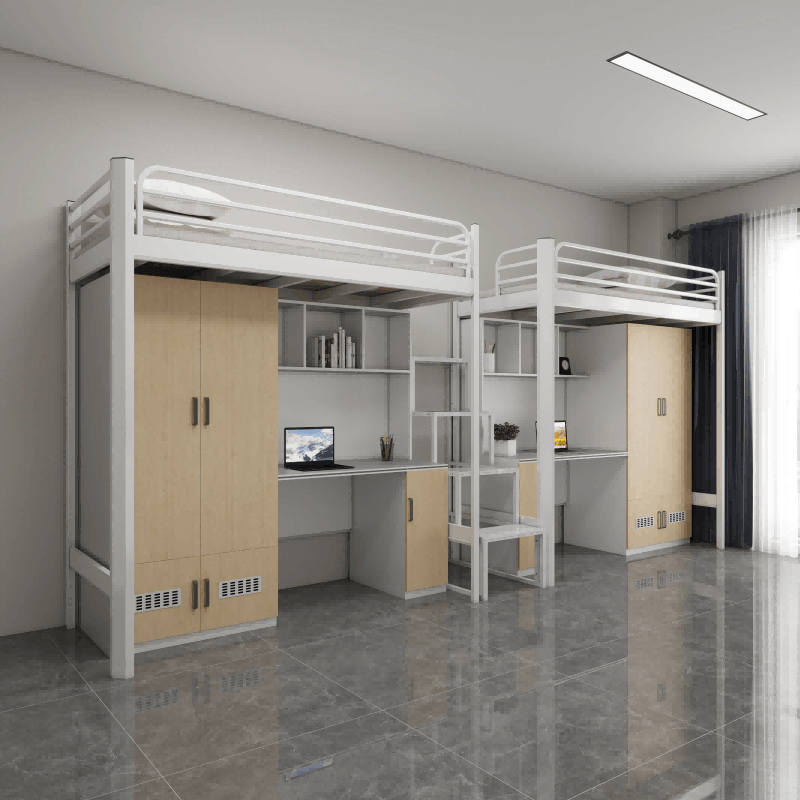
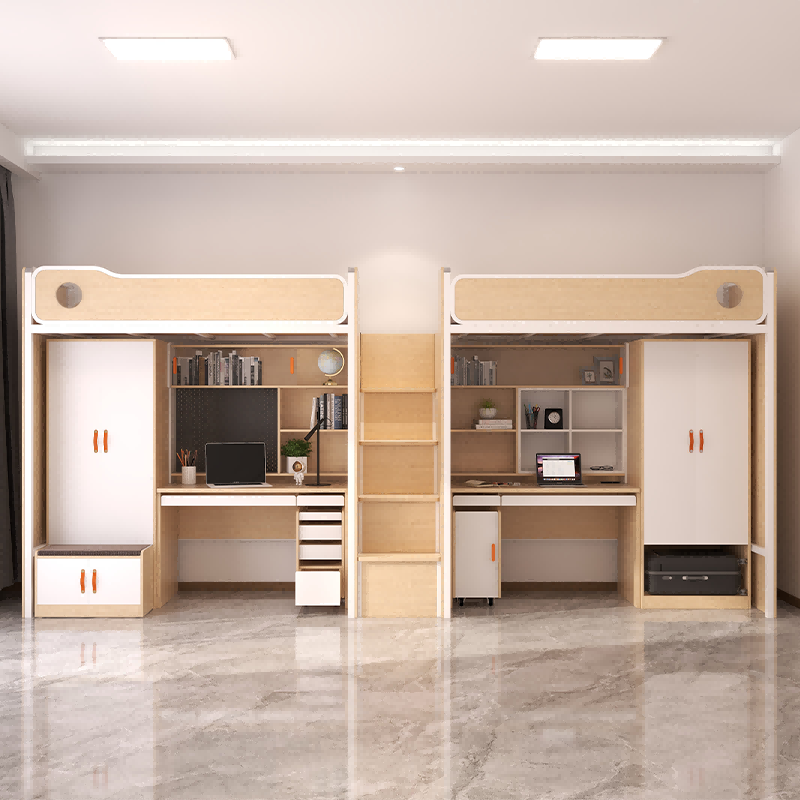
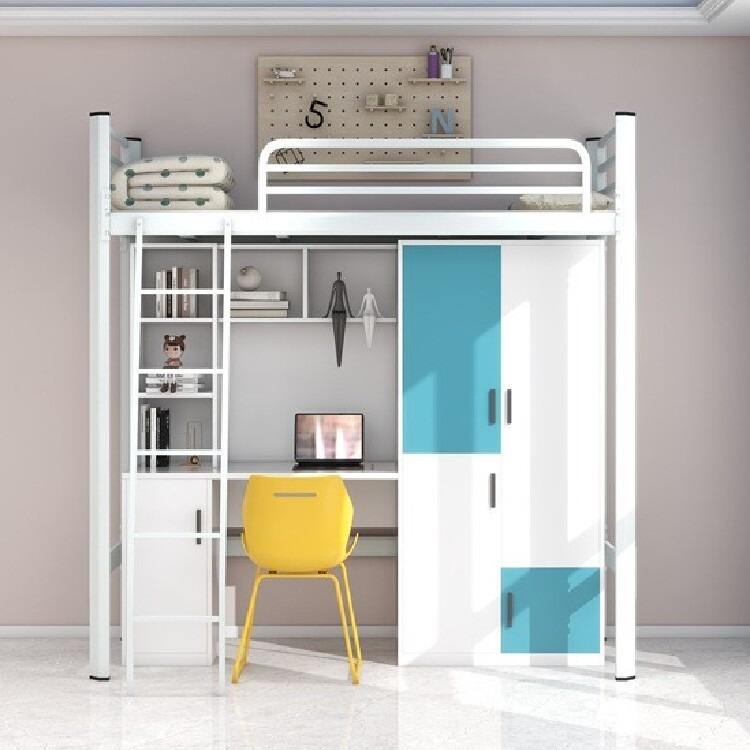
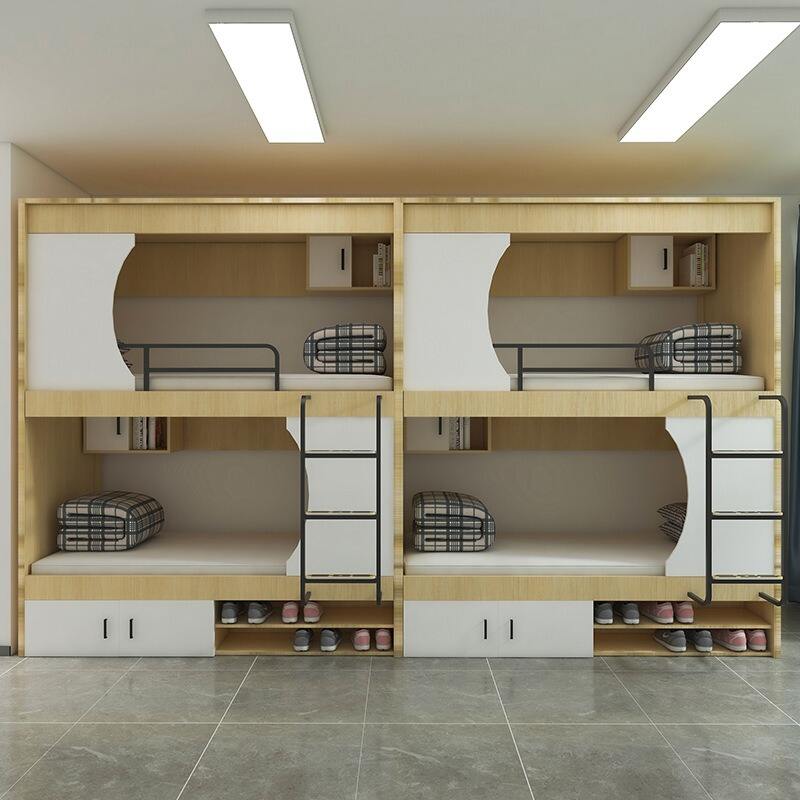
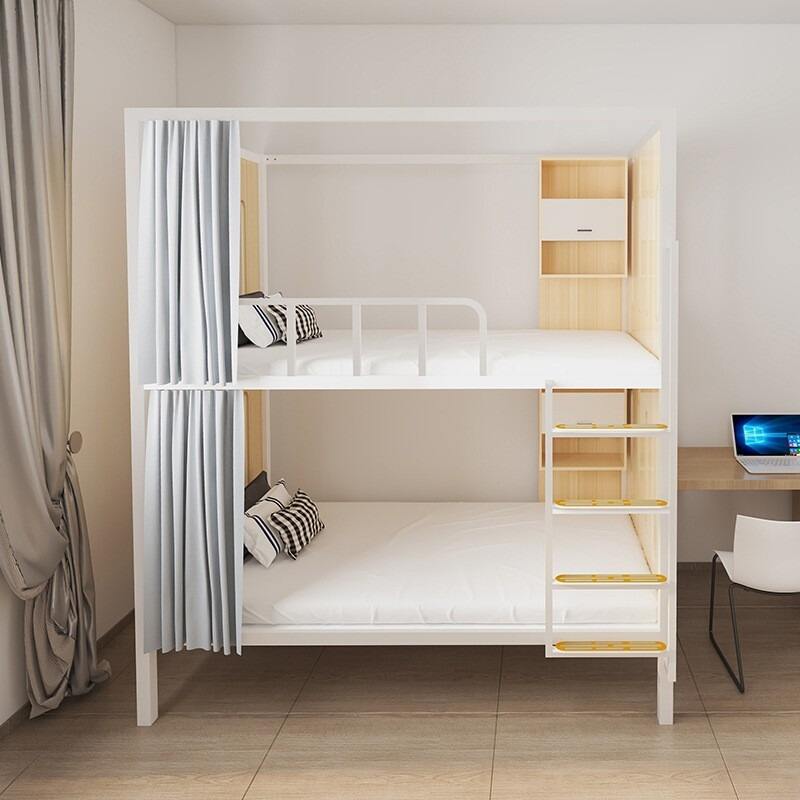
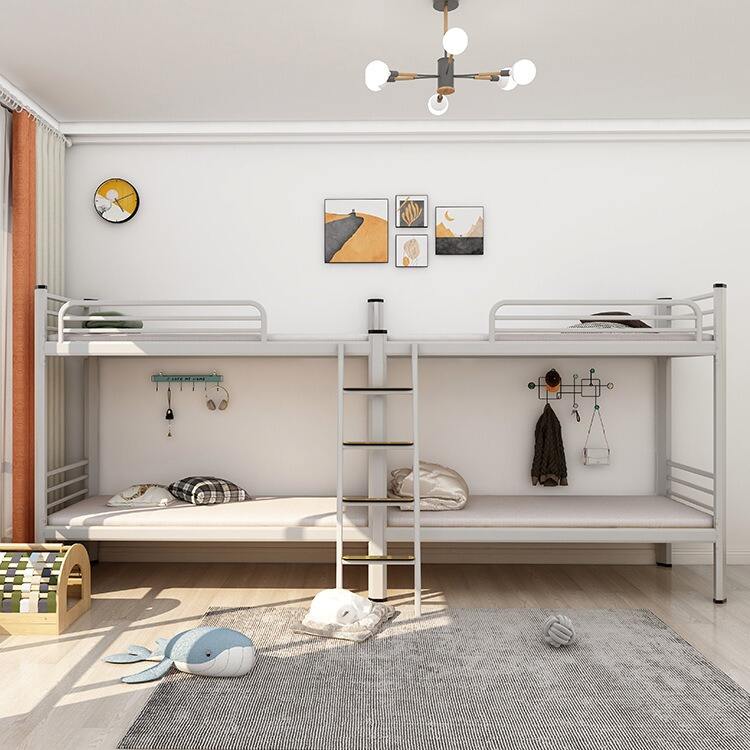
The adaptable nature of metal bunk bed trundle systems extends far beyond their primary sleeping function, offering users remarkable flexibility in room configuration and furniture arrangement. These units seamlessly transition between different operational modes, serving as compact storage solutions during daytime hours when the trundle remains retracted, while instantly expanding to accommodate additional occupants when needed. The sleek metal profiles complement various interior design styles, from modern minimalist aesthetics to industrial chic themes, allowing these functional pieces to integrate naturally into existing room decor without appearing purely utilitarian. Many manufacturers offer extensive customization options, including multiple color choices, decorative elements, and accessory attachments such as built-in desks, storage compartments, or charging stations that enhance the overall utility of the sleeping area. The maintenance requirements for metal bunk bed trundle systems prove refreshingly minimal compared to wooden furniture alternatives, requiring only periodic cleaning with standard household products to maintain their appearance and functionality. The non-porous metal surfaces resist staining, moisture absorption, and odor retention, making them ideal for children's rooms where spills and accidents occur frequently. Regular maintenance consists primarily of lubricating moving parts in the trundle mechanism and checking fastener tightness, tasks that require minimal time and no specialized skills or tools. The durability of the powder-coated finish means that these beds maintain their attractive appearance for years without requiring refinishing, touch-up painting, or protective treatments. This low-maintenance characteristic proves especially valuable for busy families, rental properties, and institutional settings where furniture must perform reliably with minimal attention. The modular design philosophy enables users to reconfigure components as needs change, potentially separating the unit into individual beds when children outgrow shared sleeping arrangements or when living situations evolve, maximizing the long-term value of the initial investment while adapting to changing family dynamics.

 EN
EN