
 EN
EN
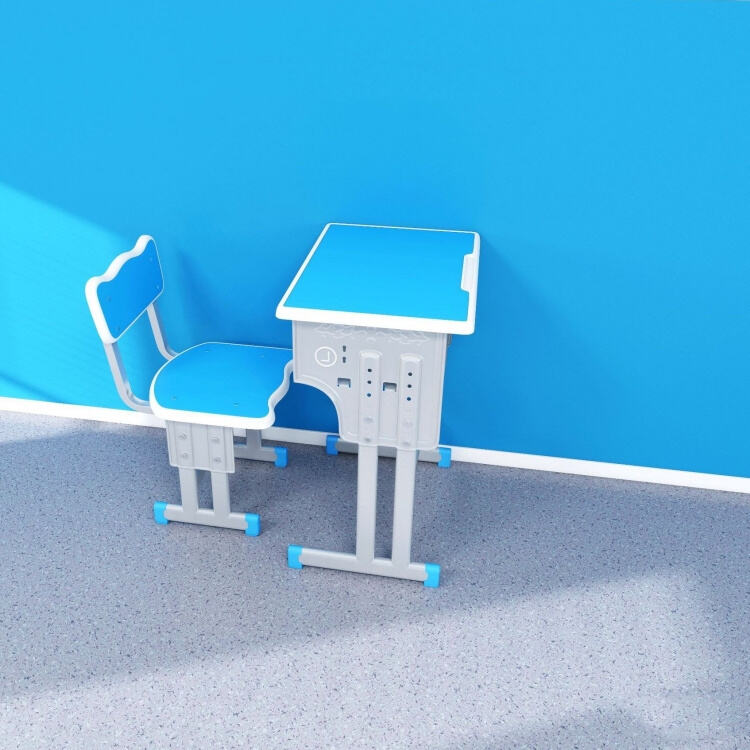
Planowanie pokoju wokół łóżko piętrowe z biurkiem to jedno z najmądrzejszych rozwiązań pozwalających maksymalnie wykorzystać ograniczoną powierzchnię użytkową, niezależnie od tego, czy wyposażasz pokój w akademiku, sypialnię dziecięcą czy mały apartament. Przed podjęciem decyzji o zakupie lub ustaleniem planu układu pomieszczenia konieczne jest jednak dokonanie dokładnych pomiarów przestrzennych. Błędne oszacowanie nawet o kilka centymetrów może stworzyć zagrożenia dla bezpieczeństwa, utrudnić poruszanie się oraz uczynić strefę biurka praktycznie nieużywalną. Zrozumienie, jak prawidłowo dokonać pomiarów od samego początku, pozwala zaoszczędzić czas, pieniądze i uniknąć niepotrzebnych frustracji w przyszłości.
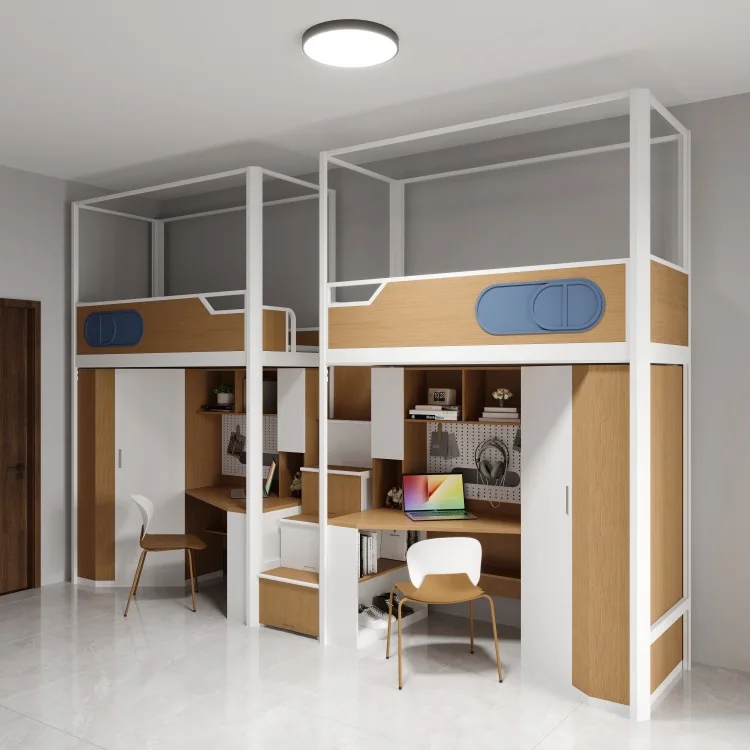
Łóżko piętrowe z biurkiem łączy pionową przestrzeń do spania z funkcjonalną strefą do nauki lub pracy, co oznacza, że proces pomiaru obejmuje więcej zmiennych niż zakup standardowego łóżka. Należy uwzględnić jednocześnie wolną przestrzeń pod sufitem, powierzchnię podłogi, głębokość biurka, miejsce na ruch krzesła oraz ścieżki dostępu. W niniejszym przewodniku krok po kroku wyjaśniamy każdy etap pomiaru, abyś mógł z pewnością określić, czy łóżko piętrowe z biurkiem zmieści się w Twojej przestrzeni oraz jak je skonfigurować w sposób zapewniający maksymalne wykorzystanie.
Zrozumienie kluczowych wymiarów łóżka piętrowego z biurkiem
Zajmowana powierzchnia i powierzchnia podłogi
Zajmowana powierzchnia łóżka piętrowego z biurkiem odnosi się do całkowitej powierzchni podłogi, którą jednostka fizycznie zajmuje. Zazwyczaj mierzy się ją jako długość pomnożoną przez szerokość w centymetrach lub calach i stanowi ona podstawę planowania przestrzennego. Większość standardowych konfiguracji typu „jednołóżko górne nad biurkiem” ma długość od około 190 do 210 cm i szerokość od 90 do 100 cm, choć warianty typu loft mogą się różnić.
Przed dokonaniem pomiarów całkowicie oczyść przewidywane miejsce ustawienia i użyj taśmy mierniczej, aby zarejestrować dostępną powierzchnię podłogi. Oznacz granice za pomocą taśmy malarskiej, aby móc wizualnie ocenić powierzchnię zajmowaną przez łóżko w danym kontekście. Zwracaj szczególną uwagę na listewki przypodłogowe, grzejniki lub gniazda elektryczne umieszczone wzdłuż ścian, ponieważ mogą one wpływać na to, jak dobrze jednostka przylega do powierzchni.
Przy pomiarach łóżka piętrowego z biurkiem zawsze dodaj co najmniej 5–10 cm zapasu przestrzeni ponad wymiarami podanymi przez producenta. Ten zapas uwzględnia допuszczalne odchylenia produkcyjne i zapewnia, że nie będziesz zmuszać jednostki do umieszczenia w zbyt ciasnej przestrzeni, co mogłoby ograniczyć przepływ powietrza lub uszkodzić ściany.
Wymagania dotyczące wysokości sufitu
Wysokość sufitu jest jednym z najważniejszych wymiarów przy umieszczaniu łóżka piętrowego ze stołem w dowolnym pomieszczeniu. Górne łóżko musi zapewniać wystarczającą przestrzeń nad głową, aby osoba na nim spania mogła siedzieć wyprostowana w komforcie, nie ryzykując uderzenia w sufit. Zalecenia branżowe zwykle określają minimalną odległość między górną krawędzią materaca na górnym łóżku a sufitem na poziomie 75–90 cm.
Aby ją obliczyć, zmierz całkowitą wysokość zestawu łóżka piętrowego ze stołem – od podłogi do górnej krawędzi barierki ochronnej lub ramy – a następnie odejmij tę wartość od wysokości sufitu w pomieszczeniu. Jeśli wynik jest mniejszy niż 75 cm, zestaw może być niebezpieczny lub niewygodny dla osoby korzystającej z górnego łóżka. W pomieszczeniach z pochyłymi sufitem, oprawami oświetleniowymi lub wentylatorami sufitowymi wymagane jest dodatkowe sprawdzenie i pomiary należy wykonać dokładnie w miejscu, w którym znajdzie się górne łóżko.
Standardowa wysokość sufitów w nowoczesnych apartamentach i akademikach zwykle mieści się w zakresie od 240 do 270 cm. Większość dobrze zaprojektowanych łóżek piętrowych z biurkiem została zaprojektowana tak, aby zmieścić się w tym zakresie, jednak nigdy nie należy zakładać zgodności bez sprawdzenia konkretnych wymiarów produktu w stosunku do rzeczywistej wysokości sufitu.
Pomiar strefy biurka oraz przestrzeni ergonomicznej
Wysokość i głębokość powierzchni biurka
Element biurkowy w łóżku piętrowym z biurkiem znajduje się pod górnym poziomem łóżka, co oznacza, że dostępna pionowa przestrzeń użytkowa w strefie biurka jest określona przez wysokość spodu dolnego poziomu łóżka lub belki konstrukcyjnej nad nim. Pomiar ten decyduje o tym, czy osoba może wygodnie siedzieć i pracować przy biurku, nie czując ucisku od góry.
Standardowa wysokość blatu biurka mieści się w przedziale od 72 do 76 cm nad podłogą. Przestrzeń wolna pomiędzy powierzchnią blatu a dolną krawędzią ramy górnego łóżka powinna wynosić co najmniej 100–115 cm, aby zapewnić wygodną pozycję siedzącą oraz pewną swobodę ruchu. Oceniając łóżko piętrowe z biurkiem dla rosnącego ucznia, warto wybrać rozwiązanie z wyższym końcem tego zakresu.
Głębokość biurka jest równie ważna. Zalecana jest głębokość co najmniej 50 cm, aby zmieścić jednocześnie laptopa, książki i materiały pisemne. Płytkie biurka o głębokości poniżej 45 cm mogą wywoływać uczucie ograniczenia i obniżać produktywność, zwłaszcza podczas dłuższych sesji nauki.
Przestrzeń na krzesło i swoboda ruchu
Jednym z wymiarów, który wielu kupujących pomija przy pomiarach łóżka piętrowego z biurkiem, jest strefa wysunięcia krzesła. Gdy ktoś siada przy biurku i cofa krzesło, potrzebuje bezpiecznej ścieżki o szerokości co najmniej 80–100 cm za sobą. Strefa ta musi być wolna od przeszkód, takich jak drzwi, szafy czy inne meble.
Zmierz od przedniego brzegu biurka na zewnątrz, w kierunku środka pokoju, i zaznacz tę odległość na podłodze. Jeśli ta strefa nachodzi na obszar otwierania się drzwi lub na inne meble, konieczne będzie przekonfigurowanie układu pomieszczenia. W wąskich pokojach rozważ, czy użycie stałego stołka lub krzesła zapinającego się pod biurkiem pozwoli zmniejszyć wymaganą przestrzeń wolną.
W przypadku łóżka piętrowego z biurkiem w wspólnym pokoju studenckim lub sypialni pomnóż wymaganą przestrzeń wolną dla krzesła przez liczbę użytkowników korzystających z tej przestrzeni. Dwóch studentów korzystających z sąsiednich stref biurkowych będzie wymagać starannego doboru odstępów, aby uniknąć ciągłych zakłóceń podczas pracy siedzącej lub poruszania się.
Układ pokoju i planowanie ścieżek ruchu
Dostęp do drabiny lub schodów
Każda łóżko piętrowe z biurkiem wymaga bezpiecznej i niezakłóconej trasy dostępu do górnego poziomu. Drabinki są najbardziej powszechnym mechanizmem dostępu i zwykle wystają o 30–45 cm na zewnątrz od bocznej krawędzi ramy podczas użytkowania. Zmierz tę długość wystającego fragmentu i upewnij się, że strefa drabinki nie nachodzi na ścieżki poruszania się, drzwi ani pobliskie meble.
Jeśli model łóżka piętrowego z biurkiem wyposażony jest w wbudowaną klatkę schodową zamiast drabinki, jego powierzchnia zajmowana znacznie się zwiększa. Konfiguracje klatek schodowych mogą zwiększyć całkowitą długość lub szerokość mebla o 40–60 cm, w zależności od orientacji. Zawsze uwzględnij to w pierwotnym planie pomieszczenia przed zakupem.
Kodeksy budowlane i normy bezpieczeństwa obowiązujące w wielu regionach wymagają minimalnej wolnej przestrzeni o szerokości 90 cm wokół punktów dostępu do mebli. Nawet w prywatnych pomieszczeniach mieszkalnych przestrzeganie tej zasady zwiększa bezpieczeństwo pomieszczenia, szczególnie dla dzieci i nastolatków korzystających samodzielnie z górnego poziomu łóżka.
Odległość od ściany i przestrzeń wentylacyjna
Umieszczenie łóżka piętrowego ze stołem bezpośrednio przy ścianie to standardowa praktyka, jednak pewne warunki wymagają dodatkowego rozważenia. Jeśli ściana zawiera okno, zmierz, czy rama górnego poziomu łóżka zablokuje wentylację lub możliwość ewentualnego ucieczki w nagłej sytuacji. Ze względów bezpieczeństwa i komfortu górny poziom łóżka nie powinien całkowicie zasłaniać działającego okna.
Łóżka piętrowe ze stołem o konstrukcji metalowej mogą w szczególności przekazywać drgania lub hałas do sąsiednich ścian, jeśli zostaną zbyt mocno do nich przyciśnięte. Mała przerwa o szerokości 3–5 cm pomiędzy ramą a ścianą poprawia cyrkulację powietrza wokół materaca i zmniejsza hałas wynikający z kontaktu konstrukcyjnego. Tę niewielką odległość należy uwzględnić w ogólnym planie pomiarów pomieszczenia.
Zmierz również odległość od jednostki montowanej na ścianie do pobliskich gniazd elektrycznych i wyłączników światła. Upewnij się, że rama łóżka piętrowego ze stołem nie zakrywa ani nie czyni niedostępnych żadnego niezbędnego źródła zasilania dla lamp biurkowych, ładowarek lub sprzętu do nauki. W razie potrzeby zaplanuj trasę przewodów przed instalacją.
Zgodne wymiary materaca i pościeli
Zgodność z rozmiarami materaca
Górna powierzchnia do spania łóżka piętrowego z biurkiem musi pomieścić standardowy materac bez wystania poza krawędź. Większość modeli jest zaprojektowana pod materace jednoosobowe lub twin o wymiarach około 90 cm × 190 cm lub 90 cm × 200 cm. Zmierz wewnętrzne wymiary powierzchni do spania konkretnego modelu i porównaj je z wymiarami zamierzanego materaca przed zakupem któregokolwiek z tych elementów.
Grubość materaca to również wymiar, który bezpośrednio wpływa na obliczenia odstępu od sufitu. Grubszy materac ortopedyczny, o grubości 20–25 cm, podniesie powierzchnię spania o 10–12 cm niż standardowy materac piankowy. Obliczając odstęp od górnego łóżka, zawsze należy kierować się wysokością materaca, a nie wymiarem samej ramy.
Dla łóżka piętrowego z biurkiem stosowanego w środowiskach instytucjonalnych, takich jak akademiki szkolne, ustandaryzowane rozmiary materaców ułatwiają ich zakup i wymianę. Przed zamówieniem hurtowym którekolwiek z tych elementów należy sprawdzić, czy platforma do spania jednostki jest zgodna ze specyfikacją materaca instytucjonalnego.
Wysokość barier ochronnych i marginesy bezpieczeństwa
Bariery ochronne na górnym poziomie łóżka piętrowego z biurkiem muszą sięgać co najmniej 16 cm ponad górny brzeg materaca, aby zapobiec upadkom podczas snu. Jest to powszechnie uznany standard bezpieczeństwa w Europie i Ameryce Północnej. Przy pomiarze całkowitej wysokości jednostki należy uwzględnić wysokość barier ochronnych, aby obliczenia odstępu od sufitu pozostały dokładne.
Niektóre konstrukcje łóżek piętrowych z biurkiem cechują się regulowaną wysokością barier ochronnych, aby dopasować je do różnych grubości materaców. Jeśli planujesz używać grubszych materaców, upewnij się, czy bariera ochronna może zostać odpowiednio podniesiona. Bariera ochronna wystająca jedynie nieznacznie ponad powierzchnię materaca zapewnia znacznie mniejszą ochronę i może nie spełniać przepisów bezpieczeństwa obowiązujących w środowiskach komercyjnych lub instytucjonalnych.
Zawsze dodaj do całkowitej wysokości pomiaru głębokość materaca oraz wymaganą długość wystającego fragmentu barier ochronnych. Dzięki temu uzyskasz rzeczywistą wysokość roboczą górnego miejsca do spania i będziesz mógł dokładnie oraz bezpiecznie obliczyć wolną przestrzeń pod sufitem.
Praktyczne wskazówki dotyczące końcowej weryfikacji pomiarów
Korzystanie z szablonu planu podłogi
Po zebraniu wszystkich pojedynczych pomiarów przenieś je na skalowany plan pomieszczenia. Można to zrobić na papierze w kratkę lub za pomocą darmowego cyfrowego planera pomieszczeń. Umieść na planie zarys łóżka piętrowego z biurkiem oraz oznacz strefę wolną przed biurkiem, obszar dostępu do drabinki i ścieżki poruszania się jednocześnie. Wizualizacja wszystkich wymiarów pozwala zauważyć kolizje, których nie wykrylibyśmy przy analizie poszczególnych pomiarów.
Skala 1:50 jest praktyczna dla większości planów pokoi i pokoików w akademikach. W tej skali 1 cm na papierze odpowiada 50 cm w rzeczywistości, co ułatwia ocenę, czy łóżko piętrowe z biurkiem zmieści się wygodnie obok innych mebli, takich jak szafy, półki lub drugie łóżko w pokoju dzielonym.
Jeśli plan pomieszczenia wskazuje na ciasne dopasowanie lub nakładające się strefy, przetestuj różne orientacje przed zamówieniem. Wiele konfiguracji łóżek piętrowych z biurkiem można odzwierciedlić lub obrócić, aby lepiej dopasować je do kształtu pomieszczenia, położenia okien oraz kierunku otwierania się drzwi.
Lista kontrolna pomiarów przed montażem
Przed ostatecznym zakupem łóżka piętrowego z biurkiem przejdź przez uporządkowaną listę kontrolną wszystkich kluczowych wymiarów. Sprawdź wysokość sufitu w stosunku do całkowitej wysokości całego zestawu, wliczając w to materac i barierkę ochronną. Upewnij się, że powierzchnia zajmowana przez zestaw na podłodze mieści się w dostępnej przestrzeni z zapasem wolnego miejsca po każdej stronie. Sprawdź, czy strefa biurka zapewnia co najmniej 100 cm wolnej przestrzeni nad głową oraz 80 cm przestrzeni potrzebnej do wysunięcia krzesła.
Zmierz szerokość drzwi i korytarzy, aby upewnić się, że poszczególne elementy łóżka piętrowego z biurkiem można bez problemu dostarczyć do pomieszczenia w trakcie montażu i dostawy. Wiele zestawów przychodzi w formie płaskich pakietów, jednak niektóre elementy konstrukcyjne mogą być długie lub szerokie. Szerokość drzwi wynosząca co najmniej 80 cm jest zazwyczaj wystarczająca, ale w przypadku instalacji w starszej budynkowej konstrukcji należy ją zweryfikować dla swojej konkretnej lokalizacji.
Zapisz wszystkie pomiary w dokumencie pisemnym wraz ze specyfikacją produktu od producenta. Posiadanie obu zestawów danych liczbowych w trakcie podejmowania decyzji zakupowej eliminuje domysły i zapewnia, że wybrana łóżko piętrowe z biurkiem rzeczywiście pasuje do Twojej przestrzeni.
Często zadawane pytania
Jaka jest minimalna wysokość sufitu zalecana dla łóżka piętrowego z biurkiem?
Większość wytycznych bezpieczeństwa zaleca wysokość sufitu wynoszącą co najmniej 240 cm dla standardowego łóżka piętrowego z biurkiem. Osoba korzystająca z górnego poziomu łóżka powinna mieć minimalnie 75–90 cm wolnej przestrzeni nad powierzchnią materaca, co oznacza, że całkowita wysokość całego urządzenia – wraz z matercem i barierką ochronną – nie powinna przekraczać 150–165 cm w pomieszczeniu o suficie o wysokości 240 cm. Zawsze dokonuj pomiarów z założonym matercem, a nie tylko na podstawie wymiarów samej ramy.
Ile przestrzeni podłogowej zwykle zajmuje łóżko piętrowe z biurkiem?
Standardowy jednoosobowy łóżko piętrowe ze stołem wymaga powierzchni podłogi o wymiarach około 200 cm na 100 cm dla samej ramy, plus dodatkowo 80–100 cm przed stołem na przestrzeń niezbędną do ustawienia krzesła. Łącznie należy zaplanować strefę podłogową o wymiarach około 200 cm na 200 cm jako wygodne minimum dla całego zestawu oraz jego funkcjonalnej strefy użytkowania.
Czy łóżko piętrowe ze stołem zmieści się w pomieszczeniu z pochyłym sufitem?
Tak, jednak jego umieszczenie wymaga starannego zaplanowania. Górna pościel musi znajdować się w miejscu pomieszczenia, w którym wysokość sufitu zapewnia bezpieczne korzystanie z niej. Zmierz wysokość sufitu bezpośrednio nad przewidywanym miejscem górnej pościeli, a nie tylko w najwyższym punkcie pomieszczenia. Unikaj umieszczania strefy do spania pod najniższą częścią nachylenia, a także upewnij się, że strefa biurkowa poniżej zapewnia wystarczającą wolną przestrzeń nad głową do komfortowej pracy w pozycji siedzącej.
Jak zmierzyć, czy strefa biurkowa łóżka piętrowego ze stołem jest ergonomicznie odpowiednia?
Zmierz odległość od podłogi do dolnej powierzchni konstrukcyjnej ramy górnego łóżka w miejscu umieszczenia biurka. Wartość ta powinna wynosić co najmniej 170–180 cm, aby użytkownik mógł wygodnie siedzieć, nie czując się przytłoczony. Powierzchnia blatu biurka powinna znajdować się w wysokości od 72 do 76 cm nad podłogą, pozostawiając 100–110 cm użytecznej przestrzeni pionowej nad powierzchnią roboczą. Jeśli wolna przestrzeń będzie mniejsza niż ten zakres, korzystanie z biurka przez dłuższy czas może wywoływać uczucie niekomfortowego zamknięcia.
Spis treści
- Zrozumienie kluczowych wymiarów łóżka piętrowego z biurkiem
- Pomiar strefy biurka oraz przestrzeni ergonomicznej
- Układ pokoju i planowanie ścieżek ruchu
- Zgodne wymiary materaca i pościeli
- Praktyczne wskazówki dotyczące końcowej weryfikacji pomiarów
-
Często zadawane pytania
- Jaka jest minimalna wysokość sufitu zalecana dla łóżka piętrowego z biurkiem?
- Ile przestrzeni podłogowej zwykle zajmuje łóżko piętrowe z biurkiem?
- Czy łóżko piętrowe ze stołem zmieści się w pomieszczeniu z pochyłym sufitem?
- Jak zmierzyć, czy strefa biurkowa łóżka piętrowego ze stołem jest ergonomicznie odpowiednia?