
 EN
EN
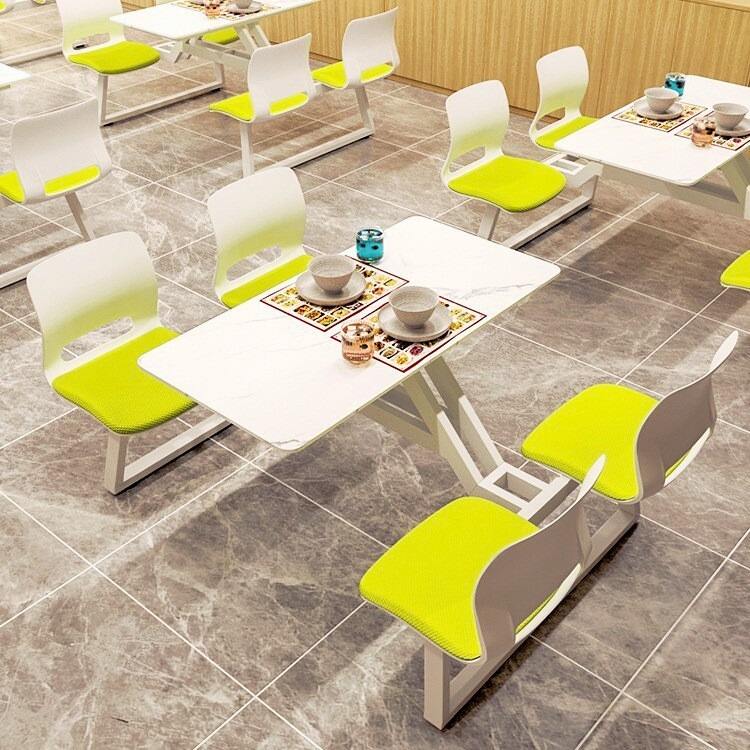
Eligere apta mobilia ad domicilia scholaria et ad locanda diligentem considerationem postulat de durabilitate, efficacia spatii, et commoda pecuniaria. Inter omnia mobilia, lectus bifurcus... lectus Stratarius eminet ut solutio praestans quae multas difficultates, quas administratores bonorum et institutiones educativae experiuntur, adgreditur. Moderni lecti superpositi ex rudimentariis originibus suis multum evolverunt, nuncque proprietates tutelares provectas, materiales structurales firmos, et venustatem aestheticae habentes, quae normis hodiernis satisfaciunt. Intellectus quid faciat certum lectum superpositum idoneum ad loca frequenter frequentata, ut sunt dormitoria et possessiones locatae, involvit examen variarum rerum, inter quas integritas structurales, qualitas materialium, observantia regulis de tutela, et propositio valoris longi temporis.
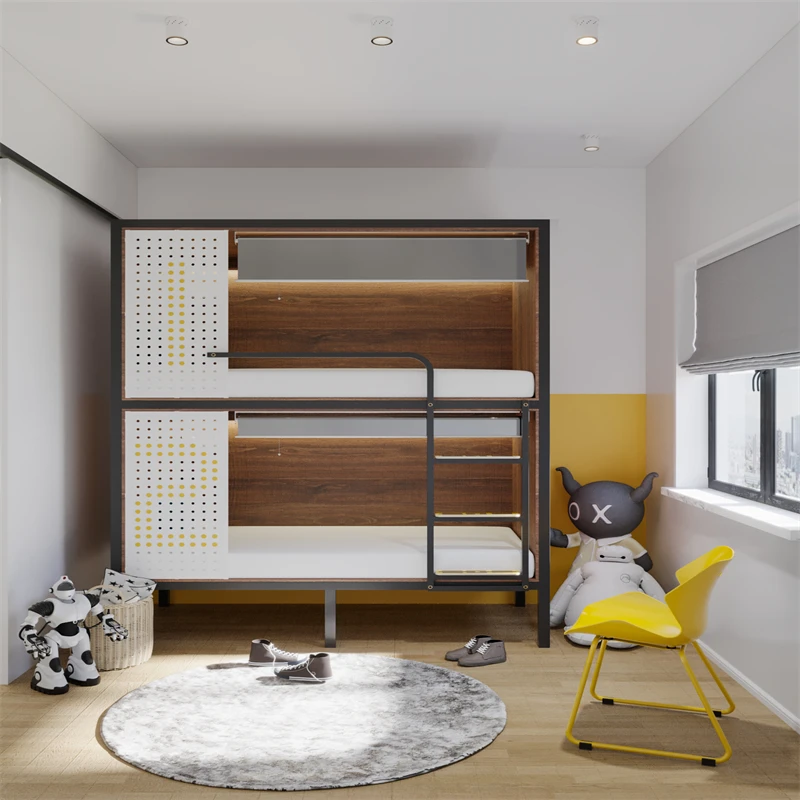
Praecipuae proprietates designis ad loca frequenter frequentata
Integritas Structurae et Capacitas Portandi
Fundamentum cuiuslibet lectuli superioris et inferioris bonae qualitatis in eius structura technica et facultatibus sustinendi onus iacet. Unitates lectulorum superiorum et inferiorum ad usum commercialem significantius magis stress sustinere debent quam earum aequivalentes ad usum domesticum, non solum pondus incolarum, sed etiam eorum rerum, motuum, ac interdum abusus occasionalis ferentes. Modello ad usum professionalem saepe iuncturae renfortatae, corpora ex metallo robusto, et bracchia transversalia strategice disposita habent, quae pondus aequabiliter per totam structuram distribuunt. Spissitudo corporis ad normas industriales satisfacere debet aut eas superare, cum iuncturis per soldaturam quae subiectae sunt rigidis experimentis qualitatis, ut diuturna fides in usu continuo certificetur.
Distributio oneris praesertim critica fit, cum de viribus dynamicis a utentibus activis generatis cogitatur, praesertim in studentium dormitoriis, ubi habitatores varia negotia ultra simplicem somnum exercent. Lectus bini bene dispositus plures puncta sustentationis habet, quae loca infirma, quae ad defectum structuralem per tempus ducere possent, tollunt. Integratio trabium mediarum sustentationis, renfortium angulorum et clavium apte dimensarum certam facit unitatem suam integritatem retinere etiam post annos usus continuati in condicionibus exigentibus.
Ad observantiam normarum de salute et ad proprietates tutelares
Regulae de salute pro mobili institutiorum valde severae sunt, et omnis lectus duplex ad usum in dormitoriis vel in aedificiis locatis destinatus ad normas de salute pertinentes et ad codices aedificatorios satisfacere debet. Altitudo barrierae tutelaris, intervalla inter tabulas, forma scalae, et stabililitas generalis omnia sub rigida supervisione regulativa cadunt. Moderni modelli secundum normas de salute praebent barrieras tutelares quae satis supra superficiem matellae extenduntur, ut casus fortuiti impediantur, dum tamen aditus occupantibus facilis maneat. Intervalla inter partes barrierae tutelaris ita esse debent, ut impediciones prohibeantur, simulque ventilatio recta et motus facilis permittantur.
Finis marginis alterum praeterea momenti est in rebus tutelae, cum anguli rotundati et superficies līsae iniūriās prohibent dum in usu commūnī utimur. Fabricantēs bonae qualitātis prōtocolla exquisita ad tūtelam observant, quibus structūrae lectōrum superimpositōrum subiciuntur experimentīs pressiōnis quae annōs multōs usūs commūnis simulāre possint. Notae resistēntiae ad ignem, finītūrae nōn noxīae, atque adimpletiōnēs postulātōrum aditūs faciliōris ulterius ostendunt approchum integrum quī ad applicationēs institūtiōnāles necessārius est.
Delectio Materialis et Considerationes de Durabilitate
Praeferentiae Rāmī Metallī in Applicationibus Commercialibus
Constructio metallica praebet praecipua commoda pro lectis superpositis in dormitoriis et aedificiis locatis, praesertim propter excellentem rationem inter robur et pondus atque resistentiam ad attritionem. Tela ferrea praebent durabilitatem egregiam simul atque proprietates levis relativae quae manumotionem faciliorem reddunt in tempore installationis et eventualem relocationem. Proprietates naturales constructionis metallicae resistunt deformationi, fissuris, et aliis formis degradationis structuralis quae in alternativis ligneis communiter occurrunt, cum subiectae sint variabilibus gradibus humiditatis et fluctuationibus temperaturarum, quae in aedificiis institutis typice adsunt.
Ars pulveris tegentis metallica mobilia transformavit, praebens telas lectulorum superiorum resistentiam ad corrosionem augendam et speciem pulchriorem. Haec systemata tecturae provecta barriera protectricem creant quae scabras, fragmenta et expositionem chemicam sustinet, dum constantia coloris per tempus longum manet. Proprietates antimicrobiales quorundam metallorum tegmentorum etiam ad normas hygienicas meliorandas conferunt, quod consideratio crescenter gravis est in locis communi vivendi ubi munditia et salus sanitaria summae sunt curae.
Qualitas Constructionis et Normae Fabricationis
Praecisio fabricandi directe afficit praestantiam diuturnam et securitatem unitatum lectulorum commercialium. Fabricatores peritos machinas computatrices ad fabricandum utuntur, quae tolerantiis constantibus et perfecta omnium partium adinventione consulunt. Qualitas soldaturae maxime critica fit, cum soldatores certificati iuncturas creant quae minima firmitatis postulata excedunt, dum tamen venustas servatur. Integratio locorum examinis qualitatis per totum processum productionis unitates defectivas ante quam ad usores ultimos perveniant tollit.
Selectio ferramentorum ad coniungendum aliam quandam constructionis qualitatis dimensionem reflectit, cum fabricantes elementa connexiva et systemata coniunctionis eligant quae suam integritatem sub repetitis tensionis cyclis servent. Connexiones filetatae resistere debent solutioni propter vibrationem et motum, dum facultates ad cito coniungendum tempus installationis minuunt sine structurae functione laesa. Facultas partium ad substituendum et ampla garantia ulterius ostendunt fabricantium fiduciam in constructionis qualitate et durabilitate longo tempore.
Optimizatio Spatii et Design Functionalis
Ūsus Spatiī in Sōlō Ōptimizātus
Efficientia utilisationis spatii praecipuum est momentum ad adoptionem lectulorum superpositorum in dormitoriis et in aedificiis locatis, ubi occupatio optima intra limitatas areas pavimenti directe afficit lucrum et functionem. Lectulus bene dispositus efficit duplicatam capacitatem dormiendi, dum occupat minimum spatium additum pavimenti, comparatus ad ordinationes lectulorum singularum traditorum. Hic factor multiplicationis spatii fit etiam magis pretiosus, si consideretur spatium additum quod creatur pro scrispulis, unitatibus ad conservandum res, et areis recreationis, quae experienciam vivendi totalem inhabitantibus augent.
Modernae designatio lectulorum superpositorum principia sophisticae dispositionis spatii complectuntur quae ultra simplicem ordinationem verticalem progrediuntur. Solutiones integratae ad conservandum res, areae scriniorum incorporatae, et partes modulares solutiones habitandi comprehensivas intra parvos ambitus creant. Orientatio verticalis locorum dormiendi usum creativum spatii verticalis anteā inutilis permittit, simul dum adhuc normae altitudinis tecti serventur et spatium sufficiens ad motum tutum et ad ventilationem praebetur.
Adaptabilitas et Optiones Configurationis
Flexibilitas in optionibus configurationis permittit curatoribus bonorum adaptare investitiones suae in mobilia ad mutantes necessitates et varia dispositiones camerarum. Systemata modularia lectulorum superpositorum permittere separationem in unitates singulas, cum postulata spatii mutantur, praebens valorem longi temporis et adaptabilitatem quae configurationibus fixis aequari non possunt. Facultas reconfigurandi dispositiones dormitorias respondet mutabilibus schematibus occupationis et adiuvat ut ratio utilisationis maximizetur per diversos annos et periodos academicas.
Dimensiones normatae compatibilitatem cum variis magnitudinibus matricularum confirmant, simul requisiita spatiorum constantia pro tutela et commoditate servantes. Integratio systematum universalium ad coniungendum facilem installationem per diversas dispositiones cubiculorum permittit, sine necessitate mutationum ad singulos usus. Haec beneficia normationis ad operationes custodiae, ad praesentiam partium reservatarum, et ad proceduras substitutionis extenduntur, quae impensas operativas longi temporis minuunt et gestionem inventarii in installationibus magnae scalae simplificant.
Utilitas Ponderata et Reditus pro Investmento
Analysis Investiturae Primae
Rationes pecuniariae pro investitionibus in lectis superioribus qualitatis in applicationibus commercialibus ultra simplices comparationes pretii emptionis extenduntur, ut totum pretium possessionis per exspectatam vitam functionis complectantur. Quamvis modelia praecipua fortasse summa maioribus initiis exigant, tamen constructio eorum excellentior, amplior obligatio garantiae, et minores necessitates de cura saepius in inferiores impensas per annum, comparatione ad optiones viliores, desinunt. Relatio inter pretium emptionis et valorem longi temporis maxime importantem fit in locis institutis, ubi cicli substitutionis mobilium magnopere in budgeta operationum influere possunt.
Potentia generationis redituum alteram dimensionem analysos efficacitatis pretii repraesentat, praesertim in proprietatibus locatis, ubi lectus Stratarius installationes directe augent occupationis indices et reditus ex locatione. Facultas plures incolas in eodem spatio aedificii recipiendi statim praebet commoda reditualia quae cito compensare possunt summas in mobilia prima impensas. Studia mercatus ostendunt proprietates, quae lectos superpositos praebent, saepius altiores occupationis indices adipisci et pretia praecipua pro solutionibus habitandi spatii-efficientibus exigere posse.
Conservatio et Efficiencia Operativa
Requirimenta de conservatione valde afficiunt summam pretii dominii pro mobilibus institutis, ita ut durabilitas et facilitas conservationis critica sint criteriorum delectionis. Designa lectorum superpositorum altae qualitatis minimas necessitates de conservatione ordinaria habent, simul eas componentes facile aditui praebentes quae attentionem periodicam postulent. Procedurae purgationis simplificatae, superficies resistente maculis, et ferramenta normalizata minuunt impensas laboris et materiae quae cum operationibus conservationis continuandis coniunguntur.
Efficientia operativa ad processus installationis et reconfigurationis pertinet, ubi systemata bene concinnata exigentias laboris minuunt et interruptionem spatiorum occupatorum ad minimum reducunt. Facilitas accessus ad exactas instructiones installationis, ad requisita instrumentorum normalium, et ad proceduras modularis coniunctionis efficacem distributionem per plures sedes permittit. Exigentiae ad formandos personales curae manutentionis minimae manent propter designum intuitivum et documentationem completam a fabricantibus probatis praebitam.
Causae Ambientales et Sustinibilitatis
Sustentabilitas Materialis et Impactus Ambientalis
Conscientia environmentalis seligendis mobilibus in dies magis influet, cum institutiones et curatoribus bonorum immobiliorum producta quaerant quae cum finibus sustentabilitatis et requisitis certificationis environmentalis congruant. Constructio ferrea lectulorum superpositorum naturaliter praebet commoda environmentalia per recyclabilitatem, diuturnitatem et minorem consumptionem rerum necessariarum per totam vitam producti. Durabilitas constructionis metallicae exquisitae vitam usus prolongat, frequentionem substitutionum minuit et ictus environmentalis adfectos a fabrica et vehiculatione diminuit.
Processus fabricandi pro productione modernorum lectulorum superiorum et inferiorum magis atque magis practicas sustentabiles includunt, inter quas sunt methodi productionis energiam efficienter utentes, initiativae ad minuendam sordem, et prudentis origo materiae primae. Systemata pulveris revestientis emissiones compostorum organicae volatilis tollunt dum praebent durabilitatem superiorem finitionis, quod ad meliorem qualitatem aeris intus in spatiis habitatis confert. Electio fabrorum qui curam de rebus ambientibus habent latiora objectiva sustentabilitatis iuvat simul ac qualitatem producti et normas efficacitatis servat.
Efficientia Energiae et Ambiens Intus
Characteristicae designis structurarum ferrearum pro lectis superioribus et inferioribus ad efficientiam energiae meliorandam in locis institutis conferunt per circulationem aeris meliorem et onerum calefactionis ac refrigerationis minorationem. Designium apertum structurae aeris motum naturalem faciliorem reddit, quod dependentiam a systematibus ventilationis mechanicae et consumptione energetica associata minuit. Spatiatio strategica inter partes stagnationem aeris prohibet, dum integritas structurae et observantia normarum de salute atque tutela manent.
Qualitas ambientis interioris emolumentum capit ex superficiebus non-poris constructionis ferreae, quae absorptionem umoris resistunt et developmentum fungorum, muci, atque aliorum factorum quae qualitatem aeris interioris impediunt in locis communi vivendi praebentibus communiter occurrunt. Facilitas mundandi et sanitandi ad condicionem salubriorem vivendi contribuit, dum necessitas productorum mundantium chemicorum et impactuum ambientalium associatorum minuitur.
FAQ
Quae normae de tutela commerciales lecti superiores et inferiores ad usum in dormitoriis implere debent?
Lecti bini commerciales ad usus in dormitoriis conformari debent normis ASTM F1427 de lectis binis, quae praescribunt requisita pro integritate structurale, dimensionibus rancorum tutelariorum, formatione scalae et titulis monitionis. Praeterea, eas oportet convenire codicibus aedificiorum localibus et regulis de incendiis quae ad occupatos institutales speciatim pertinent. Praecipuae functiones tutelares sunt ranci tutelarii qui altitudinem habent minimam quinque pollicum supra superficiem matellae, distantia recte disposita inter partes ut impediatur captio, et aestimationes onerum quae usus exspectatos in ambientes dormitoriorum sustinere possint.
Quanto pondere lectus bini qualitatis tuto suffragari potest
Lecti bini professionales gradus, qui ad usum institutionalem destinati sunt, onera statica saepe sustentant quae singulas superficies dormitorias premunt, ponderis inter 400 et 500 libras, cum autem onera dynamica motum et actionem in considerationem vocent. Capacitas totalis ponderis tam pondus incolarum quam rerum personalium comprehendit, cum factoribus securitatis in structura ita incorporatis ut oneratio interdum exsuperans tolerari possit. Distributio ponderis per totam structuram lecti stabilitatem firmat et concentrationes stress localis impedit, quae secundum tempus securitatem vel durabilitatem minuere possent.
Quod est tempus vitae exspectatum lectorum binorum gradus commercialis in aedificiis locatis?
Lecti metallici altae qualitatis in applicationibus pro proprietatibus locatis saepius decem ad quindecim annos servitium fidele praebent, si cura idonea et usus normalis adsint. Vera duratio dependet a frequentia usus, a qualitate curae, et a conditionibus ambientibus; tamen constructio ad usum commercialem destinata multo excedit expectationes de durabilitate mobilium ad usum domesticum. Inspectio regularis et cura preventiva vitam utilem protractare possunt, simul cum continuitate securitatis et functionis per totum tempus operationis.
Num lecti superpositi ad usum adultorum in proprietatibus locatis idonei sunt?
Modernae commerciales lectulorum duplex designes adulescentes occupantes accommodant per augmentatas dimensiones, exaltatam structuralem capacitatem, et emendatas securitatis proprietates. Modello ad adultos probata longiores et latiores superficies dormiendi habent, altiores ponderis valorationes, et consolidatam constructionem, quae utentibus maturis idonea est. Multae proprietates locatae lectulos duplex aptos ad adultos feliciter utuntur, ut occupatio maxima efficiatur, simul dum commodae et securae dispositiones dormiendi pro professionalibus laborantibus et hospitibus diuturnis praebentur.
Index Rerum
- Praecipuae proprietates designis ad loca frequenter frequentata
- Delectio Materialis et Considerationes de Durabilitate
- Optimizatio Spatii et Design Functionalis
- Utilitas Ponderata et Reditus pro Investmento
- Causae Ambientales et Sustinibilitatis
-
FAQ
- Quae normae de tutela commerciales lecti superiores et inferiores ad usum in dormitoriis implere debent?
- Quanto pondere lectus bini qualitatis tuto suffragari potest
- Quod est tempus vitae exspectatum lectorum binorum gradus commercialis in aedificiis locatis?
- Num lecti superpositi ad usum adultorum in proprietatibus locatis idonei sunt?