
 EN
EN
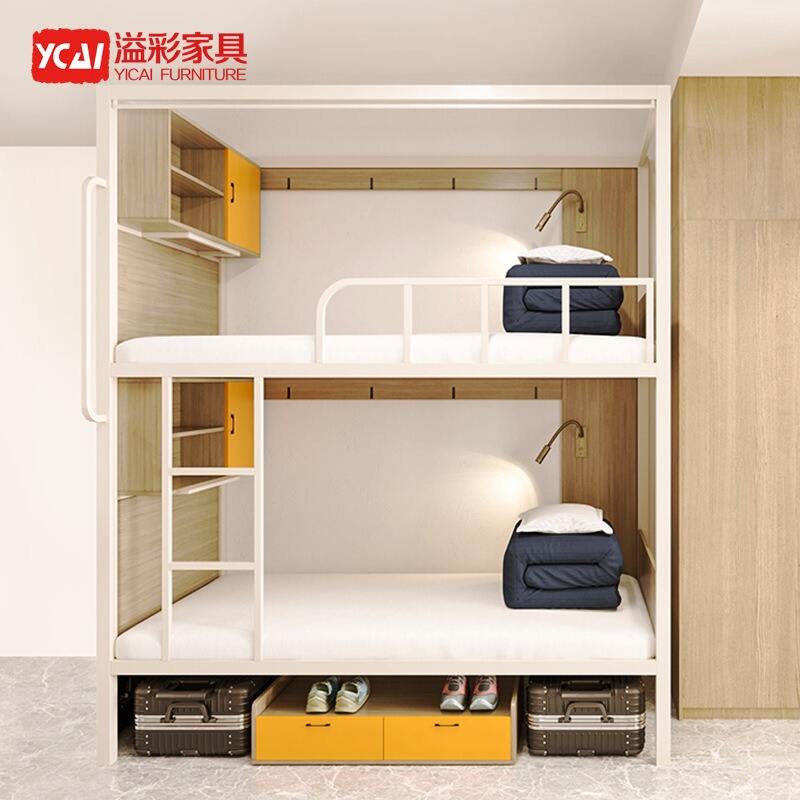
Ճիշտը ընտրելը երկահարկ լոֆտ մահճակային բարձրությունը մեկն է ամենակարևոր որոշումներից, որոնք դուք կայցեք համապատասխան փոքր բնակելի տարածք սարքավորելիս: Արդյո՞ք դուք սարքավորում եք համալսարանական հյուրանոց, փոքր բնակարան կամ հյուրանոցի սենյակ, երկու սենյակների միջև ուղղահայաց հեռավորությունը՝ ինչպես նաև վերին մահճակի և առաստաղի միջև եղած հեռավորությունը, ուղղակիորեն ազդում է հարմարավետության, անվտանգության և մահճակի տակ գտնվող տարածքի օգտագործման հնարավորության վրա: Այս չափսը ճիշտ ընտրելը նշանակում է ավելի շատ, քան միայն ապահովել այն, որ օգտագործողը չի հարվածի գլով առաստաղին. դա նշանակում է ստեղծել ֆունկցիոնալ, էրգոնոմիկ և անվտանգ սնման միջավայր, որի արժեքը բնակիչները կգնահատեն ամենօրյա օգտագործման ընթացքում:
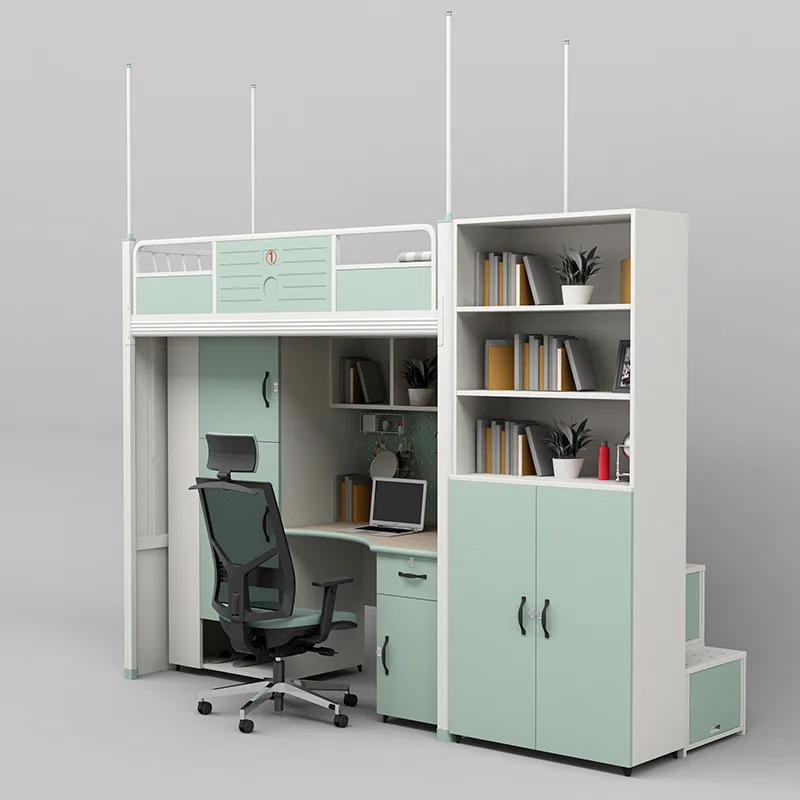
Լոֆտ մահճակային երկմակարդակ համակարգը չի համապատասխանում «մեկը բոլորի համար» սկզբունքին: Իդեալական բարձրության կարգավորումը կախված է մի շարք գործոնների համադրությունից՝ սենյակի առաստաղի բարձրությունից, օգտագործողների տարիքից և մարմնի համամասնություններից, ստորին մահճակային տակ կամ վերին մահճակայինի տակ տարածքի նախատեսված նպատակից և մահճակային շրջանակի կառուցվածքային դիզայնից: Այս ուղեցույցը ձեզ ամբողջությամբ ծանոթացնում է ճիշտ բարձրությունը ձեր կոնկրետ դեպքում ընտրելու համար անհրաժեշտ ճշգրիտ որոշման տրամաբանությամբ՝ ներառելով բոլոր կարևոր չափսերը:
Լոֆտ մահճակային երկմակարդակ համակարգում հիմնական բարձրության չափումների հասկացությունը
Երեք կրիտիկական ուղղահայաց գոտիներ
Երբ գնահատում են երկհարկանի վերին մահճակի շրջանակը, մասնագետները և մատակարարման մասնագետները միշտ ուսումնասիրում են երեք առանձին ուղղահայաց գոտիներ: Առաջինը ստորին մահճակի տակ եղած ազատ տարածքն է՝ այն տարածքը, որը նախատեսված է պահեստավորման, սեղանի կամ պարզապես հատակին մուտք գործելու համար: Երկրորդը միջին գոտու ազատ տարածքն է, այսինքն՝ վերին մահճակի մահճակի հարթակի ստորին մասի և ստորին մահճակի մահճակի վերին մասի միջև եղած տարածքը: Երրորդը վերին մահճակի վրայի ազատ տարածքն է, որը վերին մահճակի մահճակի վերին մակերեսի և վերևում գտնվող առաստաղի միջև եղած հեռավորությունն է:
Այս երեք գոտիներից յուրաքանչյուրը պետք է գնահատվի առանձին, այնուհետև համատեղվի մեկը մյուսի հետ: Երկհարկանի վերին մահճակի դիզայնը, որն ապահովում է մեծ միջին գոտու ազատ տարածք, կարող է զիջել վերին տարածքը, եթե սենյակի առաստաղը ցածր է: Այս երեք գոտիների փոխազդեցության հասկանալը տվյալ սենյակի բարձրության սահմաններում ճիշտ բարձրության ընտրության հիմքն է:
Շատ ստանդարտ համալսարանական ընդհանուր սենյակներում և բնակարաններում հատակից մինչև առաստաղի ընդհանուր բարձրությունը տատանվում է 2,4 մետրից մինչև 2,8 մետր: Երկհարկանի լոֆտ մահճակային կառուցվածքը, որը լավ է աշխատում 2,8 մետրանոց սենյակում, կարող է զգացվել վտանգավոր սեղմված 2,4 մետրանոց առաստաղի պայմաններում: Միշտ սկսեք մահճակային ընտրության գործընթացը՝ ճշգրիտ չափելով նպատակային սենյակի առաստաղի բարձրությունը, նախքան ցանկացած մահճակային տեխնիկական բնութագրերի ցուցակի գնահատումը:
Ստանդարտ արդյունաբերական բարձրությունների միջակայքեր և դրանց նշանակությունը
Համալսարանական ուսանողների նման չափահասների համար նախատեսված երկհարկանի լոֆտ մահճակային համար ստորին մահճակային մակերեսը սովորաբար գտնվում է հատակից 55 սմ-ից մինչև 70 սմ բարձրության վրա: Այս բարձրությունը թույլ է տալիս օգտակար տարածք ստեղծել մահճակային տակ պահեստավորման կամ դրայվերների համար՝ առանց ստորին մահճակային մակերեսը զգացնելու որպես սեղմված տարածքի մեջ մտնել: Երկու մահճակային մակերեսների միջև միջին տարածքի բարձրությունը սովորաբար կազմում է 70 սմ-ից մինչև 85 սմ՝ ստորին մահճակային մակերեսում նստելու համար անհրաժեշտ գլխի ազատ տարածքը ապահովելու նպատակով:
Վերին մահճակի մակերեսը ստանդարտ լոֆտ մահճակի երկմակարդակ շրջանակում մեծահասակների համար սովորաբար գտնվում է հատակից 155 սմ–ից մինչև 175 սմ բարձրության վրա: Սա վերին մահճակում մնացողին ապահովում է բավարար ազատ տարածք նստելու համար մահճակում՝ սովորաբար պահանջելով առնվազն 75 սմ տարածք, մինչդեռ մահճակի մատրասի և մահճակի պատյանի վերին մասը մնում է առաստաղից կառավարելի հեռավորության վրա: 2,4 մետր բարձրությամբ առաստաղ ունեցող սենյակներում այս կոնֆիգուրացիան դառնում է սեղմ, այսինքն՝ անհրաժեշտ է ավելի ցածր պրոֆիլով լոֆտ մահճակի երկմակարդակ շրջանակ կամ հարմարեցվող բարձրությամբ մահճակ:
Կարևոր է հիշել, որ մատրասի հաստությունը ավելացնում է քնելու մակերեսի բարձրությունը: 10 սմ հաստությամբ մատրասը, որը տեղադրված է հատակից 160 սմ բարձրության վրա գտնվող հարթակի վրա, փաստացի բարձրացնում է քնելու մակերեսի բարձրությունը մի do 170 սմ: Երբ կարդում եք լոֆտ մահճակի երկմակարդակ սպեցիֆիկացիան, միշտ պարզեք, թե նշված բարձրությունը վերաբերում է հարթակի մակերեսին, թե ստանդարտ մատրասի վերին մասին:
Ինչպես են սենյակի չափսերը ձևավորում բարձրության ընտրությունը
Առաստաղի բարձրությունը՝ որպես հիմնական սահմանափակում
Առաստաղի բարձրությունը հանդիսանում է բացարձակ սահմանափակում, որի շրջանակներում պետք է կատարվեն բոլոր մյուս բարձրության վերաբերյալ որոշումները: Եթե 2,4 մետր բարձրությամբ առաստաղով սենյակում տեղադրվում է երկհարկանի վերին մահճակ, ապա հաշվարկները դառնում են խիստ: Եթե վերին մահճակի հարթակը գտնվում է հատակից 165 սմ բարձրության վրա, իսկ այն լրացված է 10 սմ մահճակով և 5 սմ մահճակի վրայի ծածկոցով, ապա քնելու մակերեսը հասնում է 180 սմ-ի: Դա թողնում է միայն 60 սմ ազատ տարածք վերևում, որը համարվում է առավելագույնս անհրաժեշտ տարածք նստած մեծահասակի համար և կարող է չհամապատասխանել ամենատարածված անվտանգության կամ հարմարավետության ստանդարտներին:
Ի հակադրություն դրա՝ 2,7 մետր կամ ավելի բարձր առաստաղով սենյակը ավելի մեծ ճկունություն է տալիս: Եթե երկհարկանի վերին մահճակի շրջանակում վերին հարթակը տեղադրված է 175 սմ բարձրության վրա, իսկ մահճակը 10 սմ է, ապա 2,7 մետր բարձրությամբ սենյակում մնում է մոտավորապես 85 սմ ազատ տարածք վերևում: Սա համարվում է մեծահասակների համար հարմարավետ գլխի վրայի ազատ տարածք մահճակում պառկած կամ նստած լինելու դեպքում:
Գնումների վարչները, ովքեր ընտրում են լոֆտ մահճակալների երկմակարդակ մեբելը հյուրանոցների կամ բնակարանների համար, պետք է միշտ հավաքեն առաստաղի բարձրության տվյալները իրական շենքից՝ մինչև իրենց պատվերը վերջնականացնելը: Նույն շենքի հարկերի միջև նույնիսկ 10–15 սմ-ի տատանումները կարող են կարևոր ազդեցություն ունենալ այն բարձրության սահմանման վրա, որը համապատասխան է:
Սենյակի գործառույթը՝ մակարդակների ներքևում և միջև
Լոֆտ մահճակալի երկմակարդակ շրջանակի տակ գտնվող տարածքի նախատեսված օգտագործումը կարևոր ազդեցություն ունի ընտրվող բարձրության վրա: Եթե ստորին մահճակալի տակ գտնվող տարածքը միայն պահեստավորման համար է (տուփեր, ճամփորդական պայուսակներ կամ մահճակալի տակ գտնվող դարակներ), ապա հատակից մինչև ստորին մահճակալ 30–45 սմ բարձրությունը կարող է բավարար լինել: Սակայն, եթե նախագծում ստորին մահճակալի տակ կամ լրիվ լոֆտ կոնֆիգուրացիայի դեպքում վերին մահճակալի տակ նախատեսված է ուսումնասենյակի սեղան կամ պահեստարան տեղադրել, ապա այդ տարածքի բարձրության պահանջները զգալիորեն մեծանում են:
Նստած մեծահասակ անձը, որը աշխատում է սեղանի մոտ, պահանջում է առնվազն 120 սմ ուղղահայաց ազատ տարածք հատակից վերևի մահճակի ստորին մասի տակ: Երբ լոֆթ մահճակի երկմակարդակ համակարգը ներառում է վերևի մահճակի տակ ներդրված սեղան, այս գործառնական պահանջը պետք է հաշվի առնվի բարձրության կարգավորման մեջ ընտրության գործընթացի սկզբում, այլ ոչ թե ավելացվի որպես հետագա մտք։
Որոշ ժամանակակից լոֆթ մահճակների երկմակարդակ դիզայններ հանգստյան տների և հյուրանոցների համար մշակված են մոդուլային բարձրության կարգավորումներով, որոնք հնարավորություն են տալիս սեփականատերերին հարմարեցնել վերևի մահճակի բարձրությունը մեկ կամ երկու միավորով՝ կախված առաստաղի բարձրությունից և գործառնական պահանջներից: Եթե ճկունությունը առաջնային է՝ հատկապես միևնույն շենքի մեջ տարբեր տիպի սենյակների համար, ապա ընտրել բարձրությունը կարգավորելու հնարավորություն ունեցող լոֆթ մահճակի երկմակարդակ շրջանակ (օրինակ՝ կարգավորելի բարձրության սայլակներ կամ ամրացման տեղադրումներ) կարող է լինել բավականին գործնական որոշում։
Օգտագործողի պրոֆիլը և էրգոնոմիկ հաշվառումները
Մեծահասակ օգտագործողներ հանգստյան տներում և բնակարաններում
Լոֆտ մահճակի երկահարկ կառուցվածքը համալսարանական հյուրանոցում կամ մեծահասակների բնակարանում պետք է հարմարվի մարմնի բարձրության և շարժունակության շատ տարբեր մակարդակների: Մեծահասակների համար ստորին մահճակին հեշտ հասնելը առանց անհարմար կծկվելու կամ բարձրանալու անհրաժեշտության կարևոր է: Սովորաբար 55–65 սմ բարձրությամբ ստորին մահճակի մակերեսը համարվում է էրգոնոմիկապես հարմար մեծահասակների համար, քանի որ թույլ է տալիս մահճակի եզրին բնական նստած դիրք ընդունել:
Վերին մահճակին սանդուղքով հասնելը մեկ այլ էրգոնոմիկ գործոն է, որը կապված է բարձրության ընտրության հետ: Երբ վերին մահճակը տեղադրված է ավելի բարձր, սանդուղքի անկյունը մեծանում է, ինչը կարող է ավելի քիչ հարմար լինել ամենօրյա օգտագործման համար: Լոֆտ մահճակի երկահարկ կառուցվածքը, որը նախատեսված է մեծահասակների համար ամենօրյա հաճախակի օգտագործման, ի տարբերություն երեխաների համար հազվադեպ օգտագործվող մահճակների, պետք է առաջնային կերպով հաշվի առնի սանդուղքի հարմար անկյունը՝ սովորաբար հասնելով դրան միջին բարձրության կարգավորմամբ, որը չի բարձրացնում վերին մահճակը չափազանց բարձր սենյակի առաստաղի նկատմամբ:
Անվտանգության պաշտպանիչ ցանկապատի բարձրությունը նույնպես կարգավորվող չափում է, որը կապված է վերին մահճակի բարձրության հետ: Շատ անվտանգության ստանդարտներ պահանջում են, որ պաշտպանիչ ցանկապատը մահճակի մատրասի մակերևույթից վեր առնվազն 16 սմ լինի՝ մարմնի դուրս գլորվելու դեպքերը կանխելու համար: Երբ նշվում է երկհարկանի լոֆտ մահճակի շրջանակ հաստատությունների համար, օրինակ՝ համալսարանական հյուրանոցներում կամ հյուրանոցներում, միշտ ստուգեք, որ պաշտպանիչ ցանկապատի սահմանափակումները համապատասխանում են նախատեսված մատրասի հաստության դեպքում տեղական կամ ազգային անվտանգության ստանդարտներին:
Բարձրության համապատասխանեցումը օգտագործողի ֆիզիկական համամեծանոցներին
Չնայած ստանդարտ լոֆտ մահճակների երկմակարդակ չափսերը հարմարեցված են միջին չափի մեծահասակների համար, սակայն տարբեր հասակ ունեցող օգտագործողների համար նախատեսված հաստատությունները՝ օրինակ՝ սպորտային համալսարանական հյուրանոցները կամ միջազգային ուսանողական բնակարանները, պետք է հաշվի առնեն միջինից բարձր օգտագործողների առկայությունը: 185 սմ-ից բարձր անձանց համար վերին մահճակի մահճակի երկարությունը և գլխի վերևում ազատ տարածքը դառնում են ավելի կարևոր: Այս օգտագործողների համար ընդհանուր առմամբ առաջարկվում է լոֆտ մահճակի երկմակարդակ շրջանակ՝ հարթակի երկարությամբ առնվազն 200 սմ և գլխի վերևում ազատ տարածքով առնվազն 80 սմ:
Նախահարկի մեջտեղի մակերեսի լայնությունը նաև փոխազդում է բարձրության ընկալման հետ: Երկհարկ լոֆտ մահճակի ավելի նեղ վերին մահճակը կարող է բարձրության վրա ավելի բաց զգացվել, ինչը կարող է ազդել օգտագործողի հարմարավետության վրա՝ նույնիսկ երբ չափագրական միջակայքերը տեխնիկապես բավարար են: Լոֆտ մահճակի երկհարկ շրջանակի ընտրությունը՝ լրիվ լայնությամբ մեջտեղի մակերեսներով (սովորաբար ստանդարտ մեկ մահճակի համար 90 սմ), միաժամանակ ամուր պաշտպանիչ ցանկապատերով, օգտագործողներին ապահովում է ավելի մեծ անվտանգության զգացում վերին մակարդակում՝ անկախ ճշգրիտ բարձրությունից:
Բարձրության ընտրության վրա ազդող կառուցվածքային և տեղադրման գործոններ
Շրջանակի նյութը և բեռնվածության կրման հետևանքները
Լոֆտ մահճակի երկմակարդակ շրջանակի բարձրությունը ուղղակիորեն ազդում է դրա կառուցվածքային պահանջների վրա: Ավելի բարձր շրջանակը ստեղծում է ավելի երկար ուղղահայաց մասեր, որոնք պետք է դիմանան ծռման ուժերին, հատկապես այն դեպքում, երբ վերին մահճակը զբաղեցված է, իսկ ստորին մահճակի օգտագործողը շարժվում է կամ փոխում է իր քաշը: Մետաղական շրջանակները՝ հատկապես հաստ ստալյան խողովակներից պատրաստվածները, զգալիորեն ավելի լավ են հարմարված լոֆտ մահճակի երկմակարդակ բարձր կառուցվածքներին, քան փայտե կամ կոմպոզիտ տարբերակները, քանի որ մետաղը պահպանում է իր կառուցվածքային ամրությունը մեծ բարձրության դեպքում՝ առանց չափից հաստ և ծանր լայնական հատույթների անհրաժեշտության:
Երբ գնահատում եք երկհարկանի լոֆտ մահճակային սենյակային կամ առևտրային հյուրընկալման համար, միշտ պահանջեք արտադրողի մաքսիմալ ստատիկ բեռնվածության ցուցանիշը յուրաքանչյուր մահճակային մակարդակի համար և դինամիկ բեռնվածության ցուցանիշը, որը հաշվի է առնում քնի ժամանակ շարժումները: Կառուցվածքային առումով հավաստի երկհարկանի լոֆտ մահճակային շրջանակը պետք է հարմարավետ կերպով դիմանա առնվազն 150 կգ-ի բեռնվածության յուրաքանչյուր մահճակային մակարդակի վրա դինամիկ պայմաններում, քանի որ սա արտացոլում է իրական օգտագործման պայմանները՝ ոչ թե իդեալական ստատիկ պայմանները:
Ուղղահայաց շրջանակային անդամների և հորիզոնական մահճակային սայլակների միջև գտնվող միացման կետերը ցանկացած երկհարկանի լոֆտ մահճակային կառուցվածքի ամենակառուցվածքային զգայուն տեղերն են: Բարձր շրջանակները այդ միացման կետերում ավելի մեծ լծավորման ուժերի են ենթարկվում: Որոնեք համոզիչ եռակցման կամ պտտվող մասերի և բռնակների համակարգեր, որոնք ունեն փաստաթղթավորված պտտման մոմենտի սահմանափակումներ, որպեսզի համոզվեք, որ բարձրությունը ժամանակի ընթացքում չի վերածվի թերության:
Տեղադրման տարածք և հավաքման տրանսպորտային տրամաբանություն
Բարձր լոֆթ մահճակայանի երկհարկ շրջանակները հավաքման ժամանակ պահանջում են ավելի շատ ուղղաձիգ տարածք, ինչը կարող է դառնալ գործնական խնդիր փոքր սենյակներում՝ նեղ դռներով կամ ցածր կաвисներով լուսավորման սարքերով: Մինչև ընտրել բարձր լոֆթ մահճակայանի երկհարկ կառուցվածքը, համոզվեք, որ տեղադրման թիմն ունի բավարար ուղղաձիգ տարածք՝ շրջանակի ուղղաձիգ մասերը հավաքման ժամանակ ուղղաձիգ դիրքում տեղափոխելու համար: Շատ դասարանային միջավայրերում շրջանակը հավաքվում է տեղում, այլ որ նախավավառված վիճակում մտցվում է սենյակ, ինչը նվազեցնում է այս խնդիրը, սակայն մեկ միավորի հավաքման ժամանակը մեծացնում:
Լոֆտ մահճակների երկմակարդակ շրջանակների ուղարկման և տրանսպորտային ծախսերը նույնպես աճում են բարձրության հետ մեկտեղ, քանի որ ավելի բարձր շրջանակները սովորաբար պահանջում են մեծ փաթեթավորում կամ ամենաերկար ուղղահայաց մասերի համար հատուկ մշակում: Մեծ մասշտաբի դասասենյակների համար այս տրանսպորտային գործոնը պետք է ներառվի ընդհանուր սեփականատիրային ծախսերի հաշվարկի մեջ՝ համեմատելու երկու տարբեր բարձրության կոնֆիգուրացիաները, որոնք այլ կերպ նման են իրենց գնով և սպեցիֆիկացիայով:
Հաճախադեպ տրվող հարցեր
Ի՞նչ է ստանդարտ լոֆտ մահճակի երկմակարդակ դիզայնի համար անհրաժեշտ նվազագույն առաստաղի բարձրությունը
Մեծահասակների համար նախատեսված լոֆտ մահճակի երկմակարդակ դիզայնի համար ընդհանուր առմամբ անհրաժեշտ է մոտավորապես 2,4 մետր բարձրությամբ առաստաղ: Սակայն 2,4 մետրը ներկայացնում է նվազագույն սահմանը, որի դեպքում վերին մահճակի վրա ազատ տարածքը սահմանափակ կլինի: Հարմարավետ և անվտանգ օգտագործման համար ուժեղացված առաջարկվում է 2,6 մետր կամ ավելի բարձր առաստաղի բարձրություն: Եթե սենյակի առաստաղի բարձրությունը 2,4 մետրից ցածր է, ապա հաշվի առեք ավելի ցածր պրոֆիլով լոֆտ մահճակի երկմակարդակ մոդել կամ կարգավորվող բարձրությամբ շրջանակ՝ ապահովելու համապատասխան ազատ տարածքը
Ինչքա՞ն ազատ տարածք պետք է լինի լոֆտ մահճակի երկմակարդակ կառուցվածքում ստորին և վերին մահճակների միջև
Միջին գոտու ազատ տարածքը՝ ստորին մահճակի մատրասի մակերեսի և վերին մահճակի հարթակի ստորին մասի միջև եղած տարածքը, պետք է լինի առնվազն 70 սմ, որպեսզի ստորին մահճակում գտնվող անձը հարմարավետ նստի։ Ավելի մեծ հարմարավետության համար, հատկապես մեծահասակների համար, ցանկալի է միջին գոտու ազատ տարածքը լինի 75–85 սմ։ Սա հիմնական չափն է, որը պետք է ստուգել երկահարկ լոֆտ մահճակների տեխնիկական բնութագրերը համեմատելիս, քանի որ այն ուղղակիորեն ազդում է ստորին մակարդակի օրական օգտագործման վրա։
Կարելի է արդյո՞ք երկահարկ լոֆտ մահճակի շրջանակը օգտագործել ավելի հաստ մատրասների հետ։
Այո, սակայն մահճակի հաստությունը միշտ պետք է հաշվի առնվի բարձրության հաշվարկում: Երկահարկ լոֆտ մահճակի շրջանակը կարող է նախագծված լինել մահճակների համար՝ մինչև որոշակի հաստություն (սովորաբար 10–15 սմ), իսկ ավելի հաստ մահճակի օգտագործումը նվազեցնում է երկու մակարդակներում առկա գլխավոր տարածքը: Միշտ ստուգեք արտադրողի կողմից նշված առավելագույն թույլատրելի մահճակի հաստությունը ձեր ընտրած երկահարկ լոֆտ մահճակի մոդելի համար և այդ չափսը ներառեք ձեր վերևի և միջին գոտու ազատ տարածքի հաշվարկներում:
Կարելի՞ է արդյոք օգտագործել կարգավորվող բարձրությամբ երկահարկ լոֆտ մահճակ բազմասենյական տեղադրումների համար:
Կարգավորելի բարձրությամբ երկհարկանի վերին մահճակային կառուցվածքը կարող է լինել հիասքանչ ընտրություն այն շենքերի համար, որտեղ սենյակների առաստաղների բարձրությունները տարբերվում են, օրինակ՝ հին շենքերում կամ խառը օգտագործման համար նախատեսված համայնքային տներում: Վերին մահճակային մակարդակի բարձրությունը կարգավորելու հնարավորությունը երկու կամ երեք դիրքերից մեկում նշանակում է, որ մեկ երկհարկանի վերին մահճակային կառուցվածքի մոդելը կարող է օգտագործվել տարբեր առաստաղների բարձրություն ունեցող սենյակներում՝ առանց վտանգի կամ հարմարավետության վրա ազդելու: Այս ճկունությունը նաև նվազեցնում է շეնքի կառավարման համար պահեստավորման բարդությունը, քանի որ մեկ շրջանակի սահմանափակումը ընդգրկում է բազմաթիվ սցենարներ:
Բովանդակության ցուցակ
- Լոֆտ մահճակային երկմակարդակ համակարգում հիմնական բարձրության չափումների հասկացությունը
- Ինչպես են սենյակի չափսերը ձևավորում բարձրության ընտրությունը
- Օգտագործողի պրոֆիլը և էրգոնոմիկ հաշվառումները
- Բարձրության ընտրության վրա ազդող կառուցվածքային և տեղադրման գործոններ
-
Հաճախադեպ տրվող հարցեր
- Ի՞նչ է ստանդարտ լոֆտ մահճակի երկմակարդակ դիզայնի համար անհրաժեշտ նվազագույն առաստաղի բարձրությունը
- Ինչքա՞ն ազատ տարածք պետք է լինի լոֆտ մահճակի երկմակարդակ կառուցվածքում ստորին և վերին մահճակների միջև
- Կարելի է արդյո՞ք երկահարկ լոֆտ մահճակի շրջանակը օգտագործել ավելի հաստ մատրասների հետ։
- Կարելի՞ է արդյոք օգտագործել կարգավորվող բարձրությամբ երկահարկ լոֆտ մահճակ բազմասենյական տեղադրումների համար: