
 EN
EN
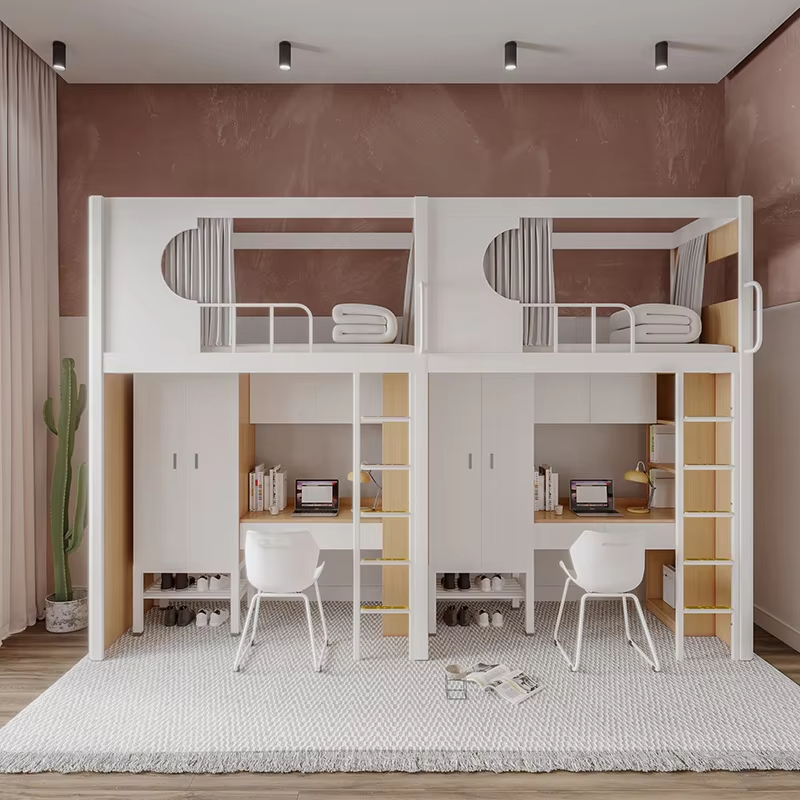
A iki səviyyəli yuxu yatağı quruluş müasir evlər, yataqxanalar və kiçik yataq otaqları üçün istisnai məkan səmərəliliyi və funksionallıq təmin edir. Bununla belə, doğru yuxu yeri iki səviyyəli sisteminin seçilməsi üçün istifadəçiləri qoruyan və məhsulun ömrünü uzadan təhlükəsizlik xüsusiyyətlərinin hansıları olduğunu başa düşmək lazımdır. Yuxu yeri iki səviyyəli konfiqurasiyasında təhlükəsizlik birbaşa gündəlik rahatlığı, qəzaların qarşısının alınmasını və bütün yaş qruplarından istifadəçilər üçün uzunmüddətli etibarlılığı təsir edir.
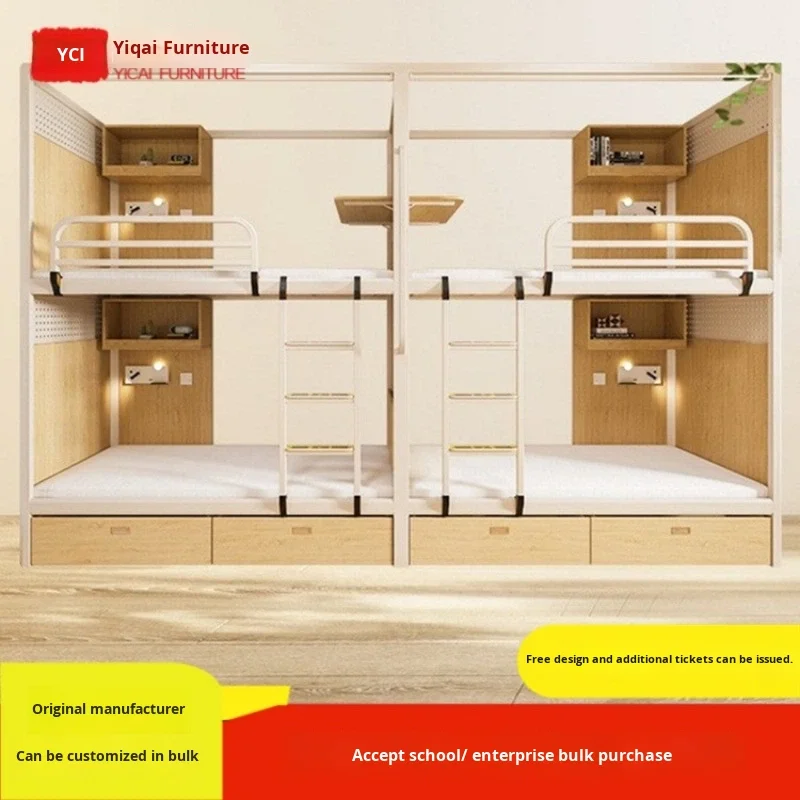
Yuxu yeri iki səviyyəli strukturu qiymətləndirərkən təhlükəsizlik xüsusiyyətləri istifadəçi qorunması və konstruktiv bütövlüyün əsasını təşkil edir. Yaxşı dizayn olunmuş yuxu yeri iki səviyyəli konfiqurasiyası düşmələri qarşısını alır, sabit çəki paylanmasını təmin edir və təhlükəsiz giriş nöqtələri yaradır. Bu vacib təhlükəsizlik elementlərini başa düşmək sizə zədə riskini minimuma endirən və davamlılığı maksimuma çatdıran, həmçinin konkret tələblərinizi ödəyən yuxu yeri iki səviyyəli sistemini seçməyə kömək edir.
Mühafizə barmaqlığının dizaynı və örtülmə tələbləri
Tam perimetrik mühafizə
Effektiv qoruyucu barmaqlar hər hansı bir yuxu yatağı iki səviyyəli düzülüşdə ən görünən təhlükəsizlik xüsusiyyətidir. Keyfiyyətli yuxu yatağı iki səviyyəli sistem yuxarı yuxu platformasının bütün açıq tərəflərində, adətən matras səthinin ən azı 9–10 düym (22,86–25,4 sm) yuxarısında yerləşən qoruyucu barmaqları daxil edir. Bu hündürlük standartı yatarkən təsadüfi yuvarlanmanı qarşısını alır və uzvləri və ya bədəni platformanın kənarına çatmadan əvvəl tutan fiziki maneə rolunu oynayır. Yuxu yatağı iki səviyyəli düzülüşündəki qoruyucu barmaqlar uşağın başı və ya gövdəsinin boşluqlardan keçməsini qarşısını almaq üçün sıx məsafədə olmalıdır.
Materialın möhkəmliyi və birləşdirilməsi
Loft yatağınızın iki səviyyəli qoruyucu barmağı quruluşu möhkəm polad və ya gücləndirilmiş metal borudan hazırlanmalı və əsas çərçivəyə qaynaq və ya pernakla möhkəm birləşdirilməlidir. Möhkəm loft yatağı iki səviyyəli qoruyucu barmaq sistemi yan təzyiqə qarşı əyilmə, burulma və ya yataq çərçivəsindən ayrılmadan dözə bilir. Loft yatağının iki səviyyəli qoruyucu barmaqlarında qaynaqlar hamar olmalı və gözlə görünən çatlar və ya defektlərdən azad olmalıdır. Pernekli birləşmələrdə qısmən sökülməni qarşısını almaq üçün kilidlənən somunlar və ya washers istifadə edilməlidir; bu, loft yatağının iki səviyyəli saxlanılması və təhlükəsizlik protokolunda vacib bir detaydır.
Növbəti addım təhlükəsizliyi və giriş xüsusiyyətləri
Stabil növbəti addım quruluşu
Giriş çıraqları hər hansı funksional loftsiz yataq iki səviyyəli dizaynının əsas komponentləridir və istifadəçilərin yuxarı və aşağı qalxarkən təhlükəsizliyini birbaşa təsirləyir. Təhlükəsiz loftsiz yataq iki səviyyəli çıraq enli, sürüşməyə qarşı dəstəklərə malik olmalı və dəstəklər arasındakı məsafə 10–12 düym olmalıdır; bu da müxtəlif yaşlardakı istifadəçilərin etibarlı dayanma nöqtəsi saxlamasına imkan verir. Loftsiz yataq iki səviyyəli çırağın üfüqi ilə təxminən 50–60 dərəcəlik bucaq əmələ gətirməsi lazımdır; belə ki, bu ergonomik qalxma bucaqları qollar və ayaqlar üzərindəki gərginliyi azaldır. Səthi qabarıq və ya toz boyası ilə örtülmüş metal dəstəklər sürüşməni qarşısını alır — bu, gündəlik istifadə olunan hər hansı loftsiz yataq iki səviyyəli sistemində müzakirəsiz vacib xüsusiyyətdir.
Birləşdirmə və Bucaq Nəzarəti
Nərdivanın loftsiz yataq iki səviyyəli çərçivənizə düzgün bərkidilməsi, istifadə zamanı sürüşmə, titrəmə və ya ayrılma qarşısını alır. Sənaye sinifli boltlar, qıvrımlar və ya qaynaq nərdivanın oturacağı və loftsiz yataq iki səviyyəli platformasındakı birləşmə nöqtələrini daimi şəkildə möhkəmləndirir. Bəzi irəliləmiş loftsiz yataq iki səviyyəli dizaynlar çərçivə boyu yükü bərabər paylayaraq birləşmə nöqtələrindəki gərginlik konsentrasiyasını azaldan meylli dayaq elementləri daxil edir. Loftsiz yataq iki səviyyəli nərdivanı tam istifadəçi çəkisini daşıyarkən yanlara doğru heç vaxt sürüşməməlidir; bu testi quraşdırma və ya yoxlama zamanı aparmaq olar.
Çəki tutumu və konstruktiv bütövlük
Platforma və çərçivənin gücləndirilməsi
Düzgün mühəndisliklə yaradılmış iki səviyyəli lof yatağı sistemi, adətən materiallar və dizayna görə 250–400 funt aralığında dəyişən, hər bir yatma səviyyəsi üçün müəyyən bir çəki tutumunu göstərir. Bu xüsusiyyət lof yatağı iki səviyyəlinin daimi deformasiya, material yorulması və ya struktur pozulması olmadan dözməli olduğu maksimum təhlükəsiz yükü əks etdirir. Lof yatağı iki səviyyəlisində yastıq dəstəkləyici səth çəkini çərçivə üzərində tək nöqtələrdə cəmlənmədən paylamaq üçün tağlar, yaylar və ya faneer istifadə edir. Gücləndirilmiş künc birləşdiriciləri və diaqonal bərkitmə lof yatağını iki səviyyəli sadə montajdan deyil, iki istifadəçini təhlükəsiz şəkildə dəstəkləyə bilən sərt, yüksək performanslı strukturaya çevirməyə kömək edir.
Yoxlama və Yük Sınağı
Etibarlı istehsalçılar, iki səviyyəli yuxu yataqlarının hər bir nümunəsi üzərində yük testləri keçirərək, bazarğa çıxarılmasından əvvəl çəki tutumuna dair iddiaları təsdiqləyirlər. Keyfiyyətli iki səviyyəli yuxu yatağı real dünyada istifadə nümunələrini, hərəkəti və gərginlik şəraitini simulyasiya edən qəti dinamik testlərdən keçir. İki səviyyəli yuxu yatağı almaqdan əvvəl, xüsusiyyətlərdə üçüncü tərəf tərəfindən aparılan testlər haqqında sənədlər və ya mühəndislik sertifikatları olduğunu yoxlayın. İki səviyyəli yuxu yatağınızın ilk quraşdırılması zamanı bütün qaynaq birləşmələrini, boltları və bağlantıları vizual olaraq yoxlayın; təhlükəsizliyi zəiflədə biləcək boşluqlar, çatlar və ya istehsalat defektlərinin əlamətlərini axtarın.
Döşək dəstək sistemləri və kənar sabitliyi
Çubuq və əsas dizaynı
Yuxarı yataq iki səviyyəli modelində matrasın dəstəyi birbaşa yatmaq üçün istifadə edən şəxslərin rahatlığına, davamlılığına və təhlükəsizliyinə təsir göstərir. Keyfiyyətli yuxarı yataq iki səviyyəli modellərində matrasın sallanmasını və kənarlarının çökməsini qarşısını almaq üçün bir-birindən 3 düym (7,62 sm) çox olmayan sıx yerləşdirilmiş ağac çubuqlar və ya metal dəstək çubuqları istifadə olunur. Yuxarı yataq iki səviyyəli modelində düzgün matras dəstəyi yatıcılar arasında hərəkət keçirilməsini azaldır və matrasın istifadə zamanı platformadan sürüşməsinin qarşısını alır. Bəzi yüksək keyfiyyətli yuxarı yataq iki səviyyəli sistemlərində çubuqların altına bərk fanele quraşdırılmış əsaslı fond verilir ki, bu da daha ağır istifadəçilər və ya bərabər səth kontakta ehtiyacı olan köpük matraslar üçün üstün dəstək təmin edir.
Kənar Qoruyucular və Perimetrdə Dəstək
Loft yatağı iki səviyyəli üçün kənar qoruyucular yatarkən matrasların yan tərəfə sürüşməsini qarşısını alır və yatma platformasının struktur perimetri möhkəmləndirir. Bu dəstək рейlləri loft yatağı iki səviyyəli üçün matras sahəsinin yanları və ayaq ucunda uzanır, yatma səthinin əhatəsini təmin edir və qeyri-qəsdən aşağı səviyyəyə düşməni qarşısını alır. Loft yatağı iki səviyyəli üçün kənar dəstəyi qoruyucu barmaqlıqlarla birlikdə işləyərək çoxtəbəqəli düşmə qorunması təmin edir: fiziki maneələrlə struktur əhatəni birləşdirir. Düzgün dizayn olunmuş loft yatağı iki səviyyəli kənar sistemləri yatma və ya qeyri-sabit hərəkət zamanı ətrafların platforma sərhədindən kənara çıxma riskini azaldır.
Tez-tez verilən suallar
Loft yatağı iki səviyyəli iki yetkin yatıcı üçün hansı yük tutumunu dəstəkləməlidir?
İki yetişkin üçün təhlükəsiz iki səviyyəli yuxu yatağı ümumi olaraq ən azı 400–500 funt yükü dözməlidir; bu, bədən çəkisi ilə hərəkət və mövqe dəyişiklikləri zamanı yaranan dinamik yüklənməni də nəzərə alır. Yatağınızın iki səviyyəli spesifikasiyalarında hər bir səviyyə üzrə yük limiti və ya ümumi sistem tutumu aydın şəkildə göstərildiyini yoxlayın, çünki bu, təhlükəsiz istifadəni birbaşa müəyyən edir. İki səviyyəli yuxu yatağının qiymətləndirilən tutumunu aşmaq qırılma riskini eksponent olaraq artırır və istehsalçının zəmanətini ləğv edir.
İki səviyyəli yuxu yatağını təhlükəsizlik çatışmazlıqlarına görə necə tez-tez yoxlamalısınız?
İki səviyyəli yuxu yatağınızı ilk il ərzində aylıq, sonra isə kvartallıq olaraq yoxlayın ki, aşınma, qismən sökülmə və ya zədələnmə kimi problemləri erkən aşkar edəsiniz. İki səviyyəli yuxu yatağınızda qoruyucu barlar, çılpaq qurğuların birləşmə nöqtələri, qaynaq yerləri və yataq örtüyü dəstəyi hissələrində gərginlik və ya keyfiyyət itirilməsi əlamətlərini yoxlayın. Tam bir iki səviyyəli yuxu yatağı yoxlaması 15–20 dəqiqə çəkir və ciddi yaralanmaları və ya struktur çökməsini qarşısını ala bilər.
Uşaqlar iki səviyyəli yuxu yatağı konfiqurasiyasından təhlükəsiz şəkildə istifadə edə bilərlərmi?
6 yaş və yuxarı uşaqlar, düzgün qoruyucu barıyerlər, sabit növ nərdivanlar və uşaqların uyğunlaşması dövründə yetişkin nəzarəti ilə iki səviyyəli lof yatağından istifadə edə bilərlər. Uşaqlar üçün hazırlanmış iki səviyyəli lof yatağı, uyğun hündürlükdə qoruyucu barıyerlərə, kiçik aralıqlı nərdivan çubuqlarına və yetişkin modellərindən daha aşağı platforma hündürlüyünə malik olmalıdır. Təhlükəsiz istifadəni təmin etmək üçün həmişə istehsalçının sizin iki səviyyəli lof yatağınız üçün göstərdiyi yaş və çəki tövsiyələrinə əməl edin.