Sustainable Manufacturing and Environmental Responsibility
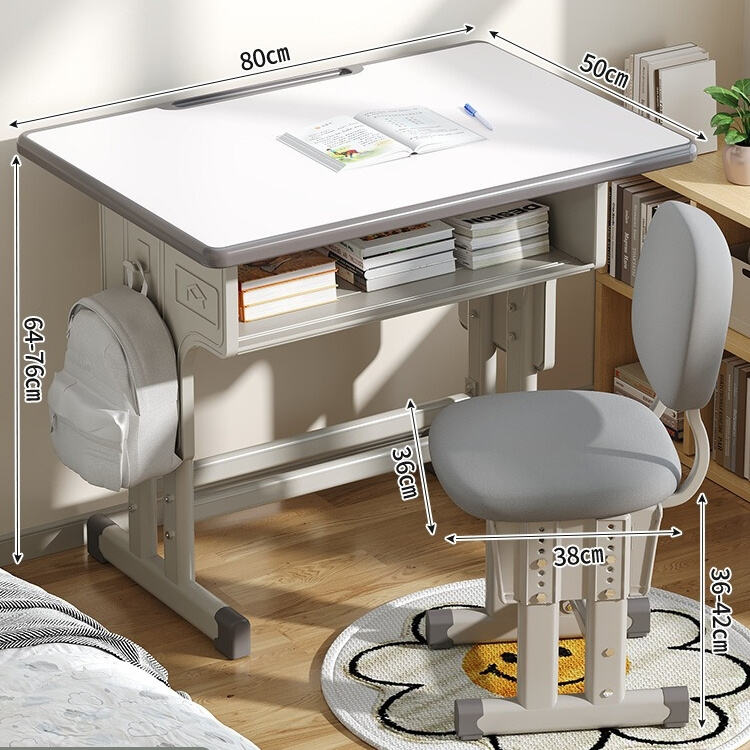
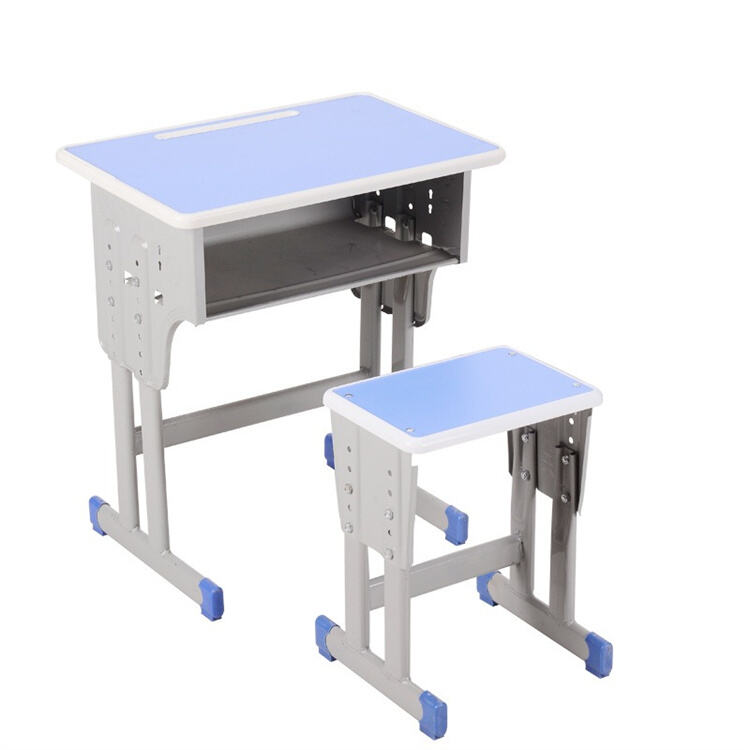
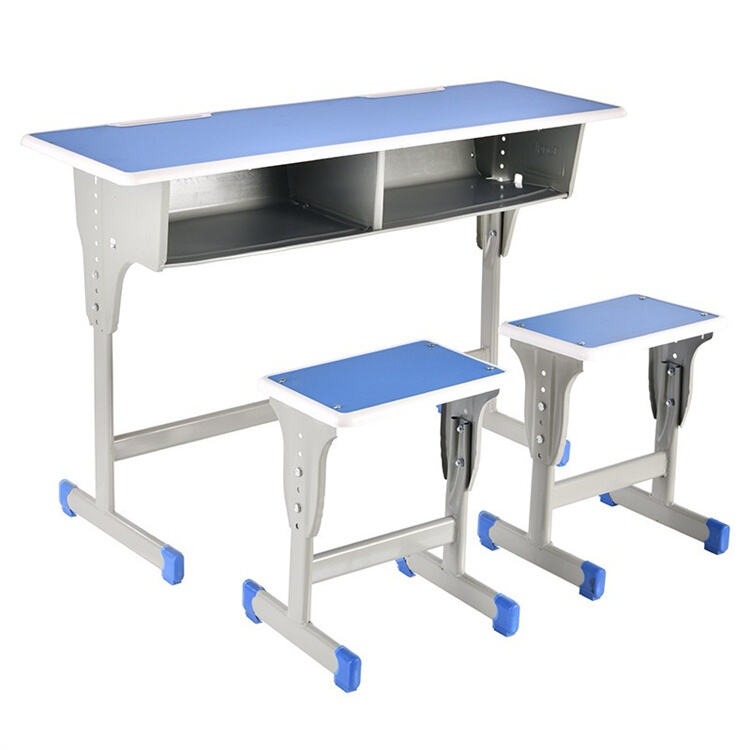
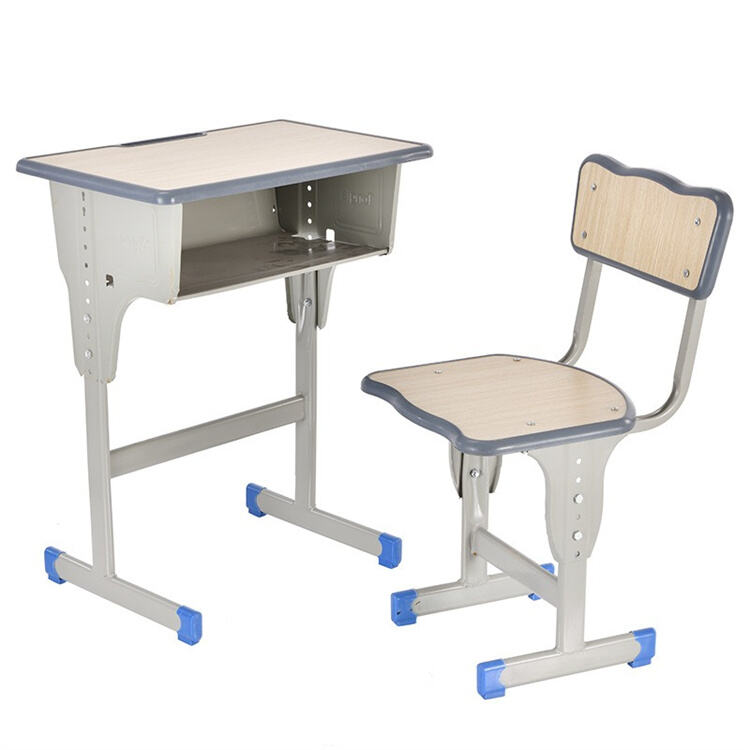
The environmental sustainability initiatives implemented by forward-thinking school desk and chair suppliers reflect growing awareness of ecological responsibility while delivering cost-effective, high-performance furniture solutions for educational institutions committed to environmental stewardship. Modern school desk and chair suppliers have revolutionized their manufacturing processes by incorporating recycled materials, renewable resources, and energy-efficient production methods that significantly reduce environmental impact without compromising product quality or durability. Sustainable material selection includes the use of recycled steel for frame construction, post-consumer plastic components for seating surfaces, and responsibly sourced wood materials certified by recognized forestry management organizations. Advanced manufacturing technologies employed by environmentally conscious school desk and chair suppliers include energy-efficient machinery, waste reduction systems, and closed-loop production processes that minimize material waste and reduce overall carbon footprint. The environmental benefits extend beyond manufacturing to include product lifecycle considerations, with suppliers designing furniture for easy disassembly and component recycling at end-of-life, supporting circular economy principles within educational environments. Chemical emissions represent another critical sustainability focus, with leading school desk and chair suppliers utilizing low-emission finishes, adhesives, and materials that contribute to improved indoor air quality in classrooms and learning spaces. Environmental certification programs such as GREENGUARD Gold, Forest Stewardship Council approval, and various regional environmental standards provide third-party validation of suppliers' sustainability commitments and help educational institutions meet their own environmental goals. The economic advantages of sustainable practices include reduced long-term costs through improved durability, lower maintenance requirements, and potential tax incentives or grants available to institutions purchasing environmentally responsible products. Educational institutions increasingly incorporate sustainability criteria into their procurement processes, making environmental responsibility a competitive advantage for school desk and chair suppliers who can demonstrate measurable environmental improvements. Documentation provided by sustainable suppliers includes environmental impact assessments, carbon footprint calculations, and sustainability reports that enable educational administrators to quantify and communicate their environmental achievements to stakeholders, students, and community members, reinforcing institutional values and supporting broader sustainability education initiatives.

 EN
EN