Advanced Engineering and Structural Integrity
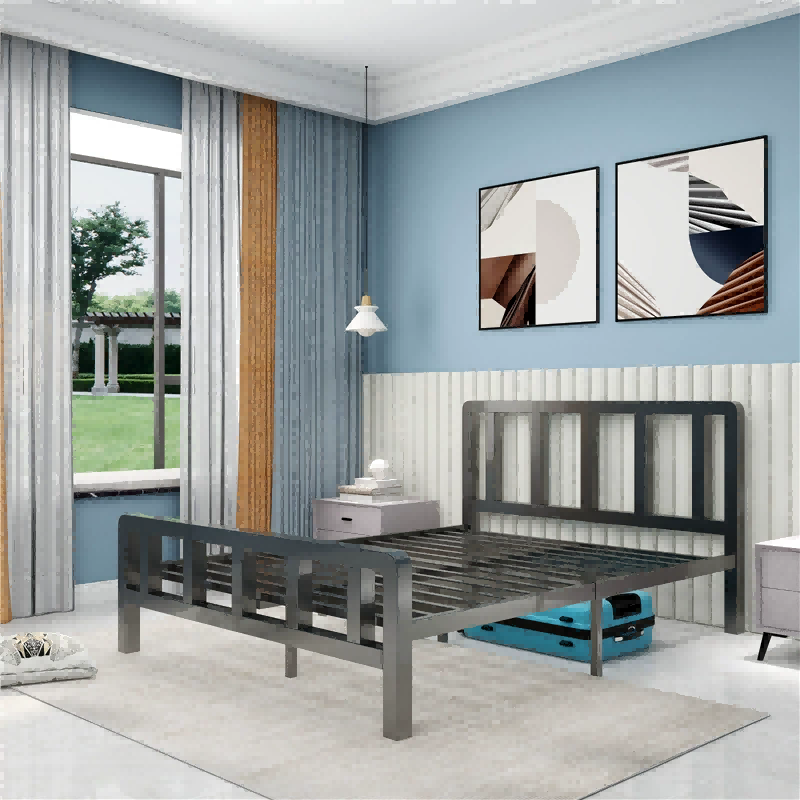
The black floating bed frame incorporates cutting-edge engineering principles that ensure exceptional structural integrity while maintaining its signature weightless appearance through sophisticated mounting and support systems. The advanced engineering begins with precision-manufactured components designed to distribute weight loads evenly across multiple anchor points, typically secured to wall studs using industrial-grade hardware capable of supporting significantly more weight than standard bed frame requirements. The frame construction utilizes high-strength materials including powder-coated steel tubing, reinforced aluminum extrusions, or engineered wood composites that undergo rigorous testing to meet or exceed furniture safety standards for residential applications. Manufacturing processes involve computer-controlled cutting, welding, and finishing techniques that ensure consistent quality and dimensional accuracy across all components, resulting in seamless assembly and long-term durability. The mounting system represents a marvel of modern furniture engineering, featuring adjustable brackets that accommodate various wall types, stud spacing irregularities, and different room configurations while maintaining perfect horizontal alignment. Safety considerations drive every aspect of the engineering process, with multiple redundant support mechanisms ensuring that structural failure becomes virtually impossible even under extreme loading conditions. The frame's design accounts for dynamic forces created by normal bed usage, including rolling, sitting, and movement during sleep, incorporating appropriate flex characteristics that prevent stress concentration and potential failure points. Quality control procedures involve comprehensive load testing that simulates years of typical use within accelerated timeframes, ensuring that each black floating bed frame meets stringent durability requirements before reaching consumers. The engineering excellence extends to thermal expansion considerations, joint design that accommodates natural material movement, and finish applications that resist wear, scratching, and environmental factors that could compromise structural integrity over time. Advanced CAD modeling and finite element analysis inform the design process, optimizing material usage while maintaining maximum strength-to-weight ratios that enable the floating aesthetic without compromising safety or functionality.