Flexible Space Design and Comfort Features
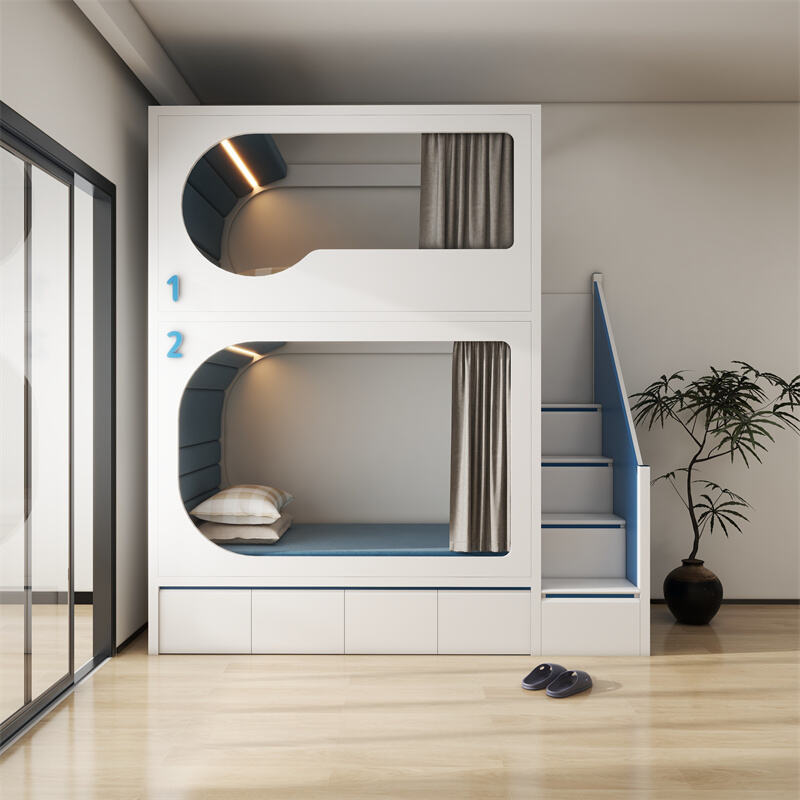
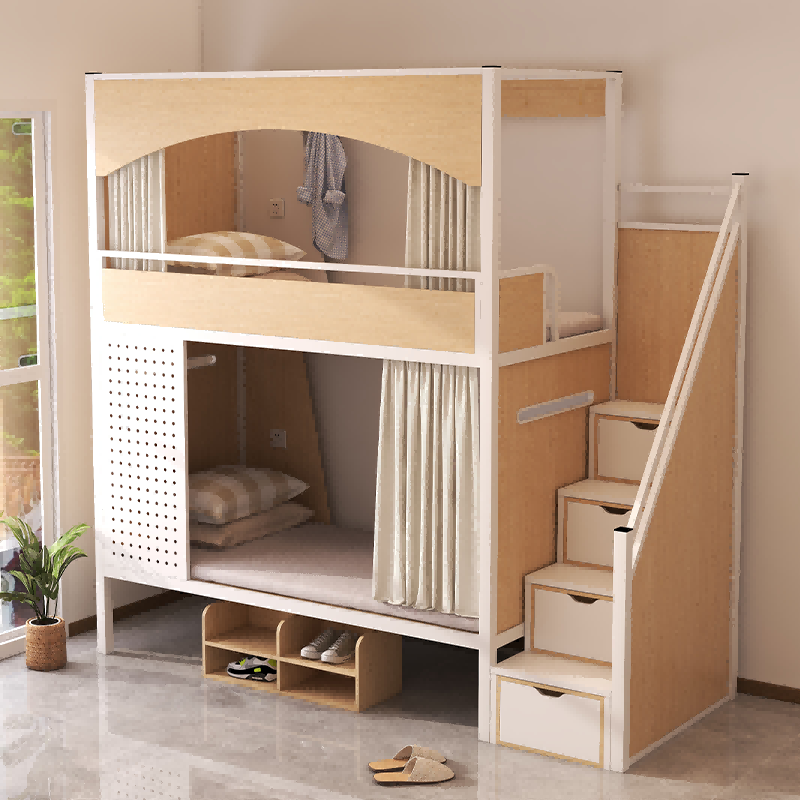
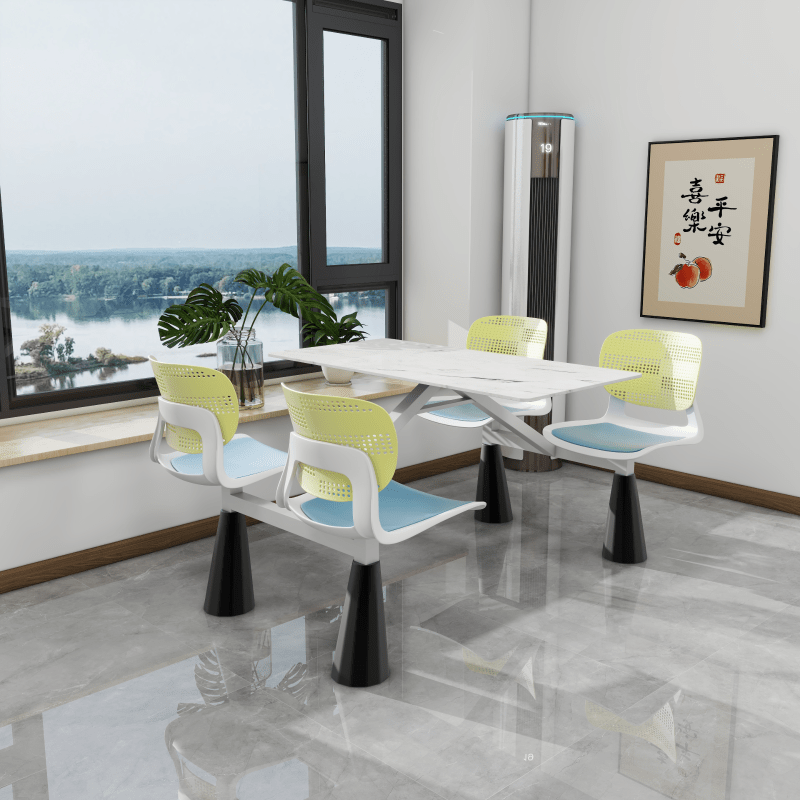
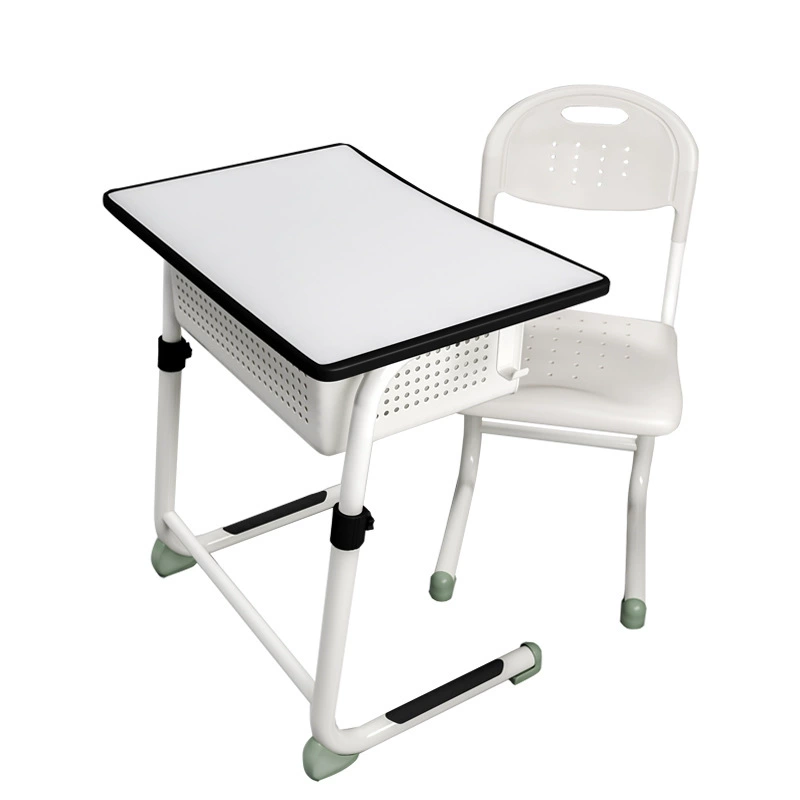
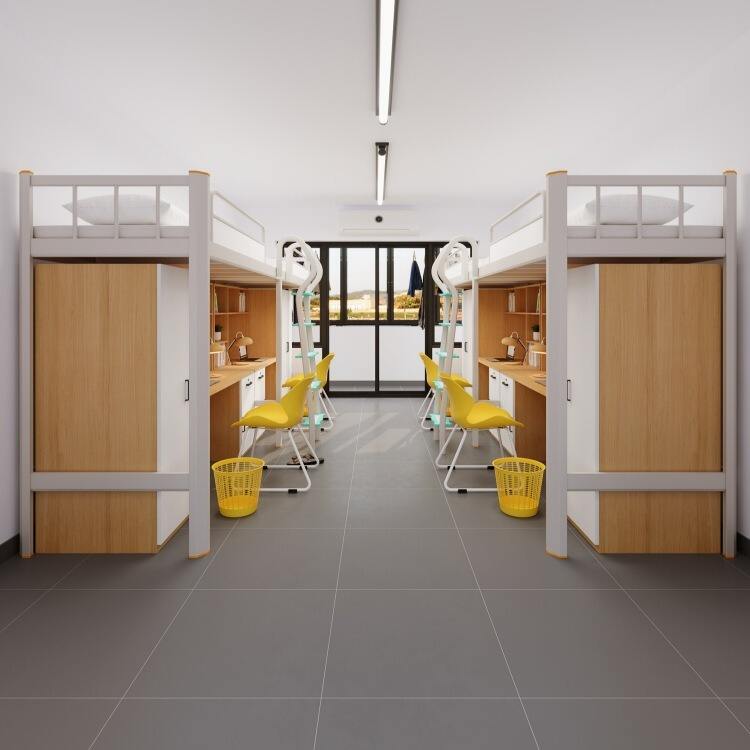
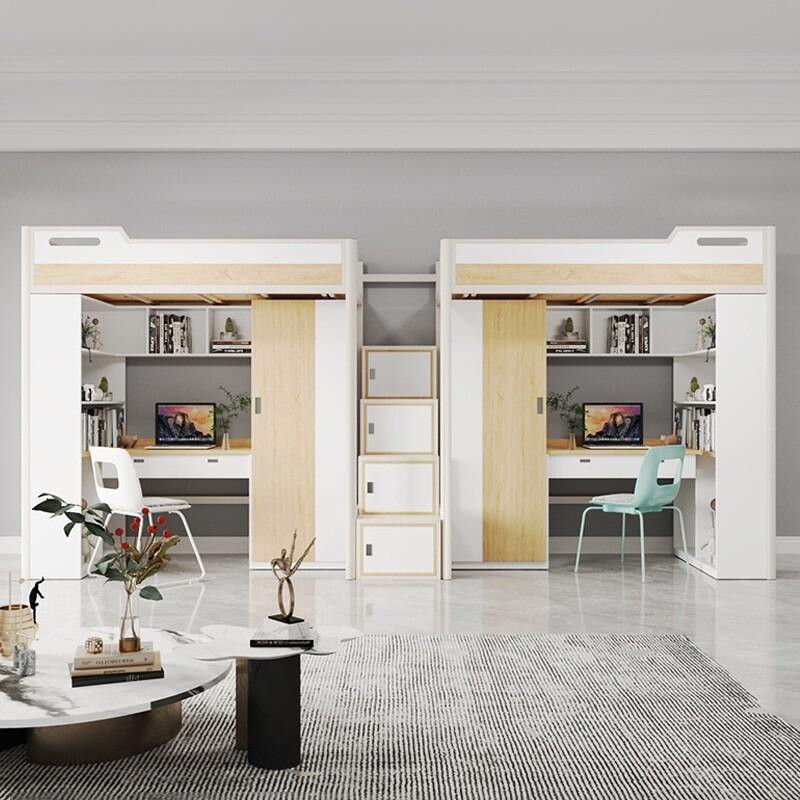
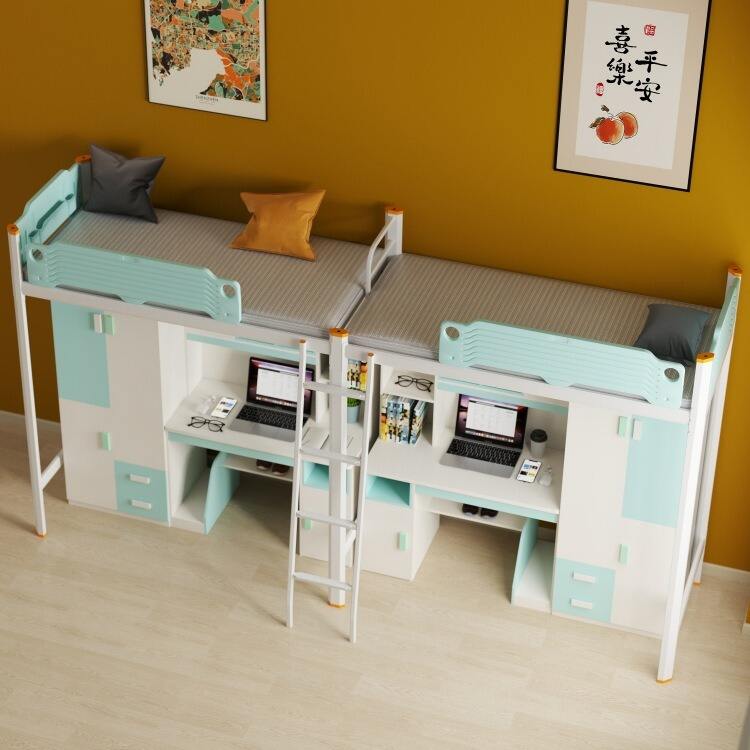
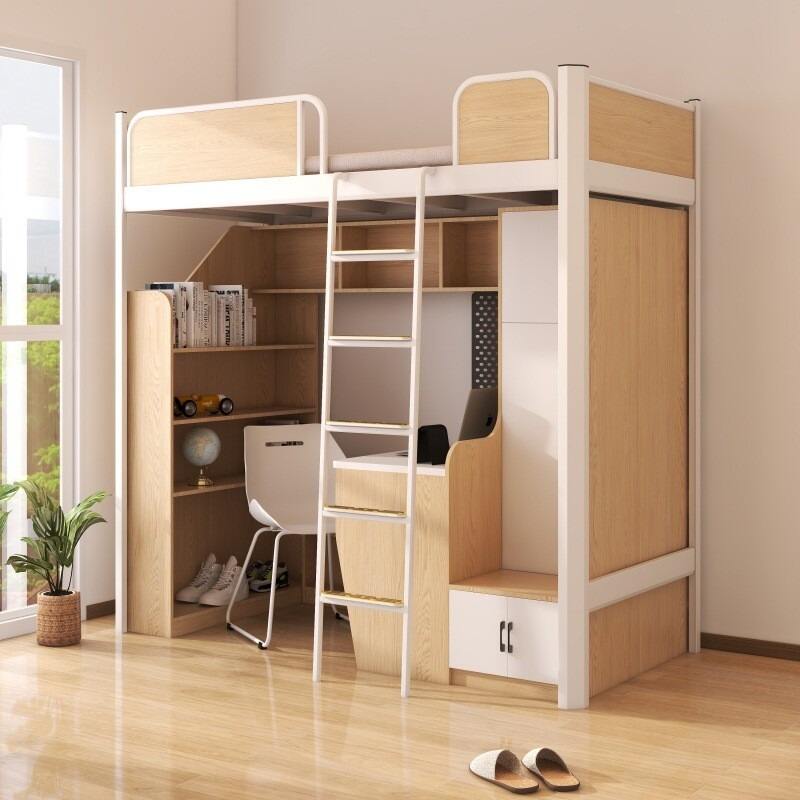
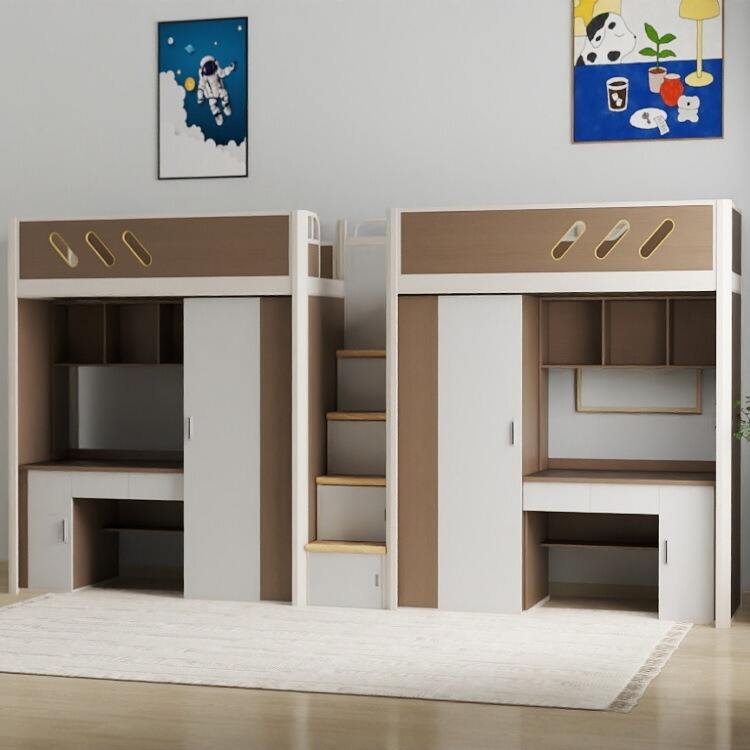
The architectural design and comfort features of a well-planned 6 bed dormitory room demonstrate exceptional attention to livability and functionality within compact spaces. The layout optimization utilizes vertical space through innovative bunk bed designs that incorporate built-in storage, study areas, and personal retreat spaces for each occupant. Modular furniture systems allow for flexible reconfiguration based on group dynamics and individual preferences, ensuring that the 6 bed dormitory room can adapt to various usage patterns and resident needs. Comfort enhancement features include premium mattresses with individual firmness options, hypoallergenic bedding materials, and ergonomic pillow selections that accommodate different sleep preferences and health requirements. Personal workspace integration provides each resident with dedicated study or work areas complete with adjustable lighting, storage compartments, and ergonomic seating options that support productivity and comfort. The room design incorporates noise management solutions through strategic furniture placement, sound-absorbing materials, and acoustic barriers that minimize disturbance between sleeping and active areas. Natural light optimization utilizes large windows, skylights, and light wells that create bright, welcoming environments while providing views of exterior landscapes or cityscapes. Air quality management systems include advanced filtration, humidity control, and circulation fans that maintain fresh, healthy indoor environments regardless of occupancy levels or external conditions. Storage solutions extend beyond basic lockers to include under-bed compartments, overhead shelving, hanging areas for clothing, and specialized storage for sports equipment, musical instruments, or hobby materials. Common areas within the 6 bed dormitory room feature comfortable seating arrangements, entertainment systems, and social spaces that encourage interaction while providing options for quiet contemplation or group activities. The flexible design philosophy ensures that the accommodation can serve various purposes from temporary housing to long-term residential solutions, adapting to changing needs and occupancy patterns while maintaining high comfort standards for all residents.

 EN
EN